
Centralised Control and Master Catalog
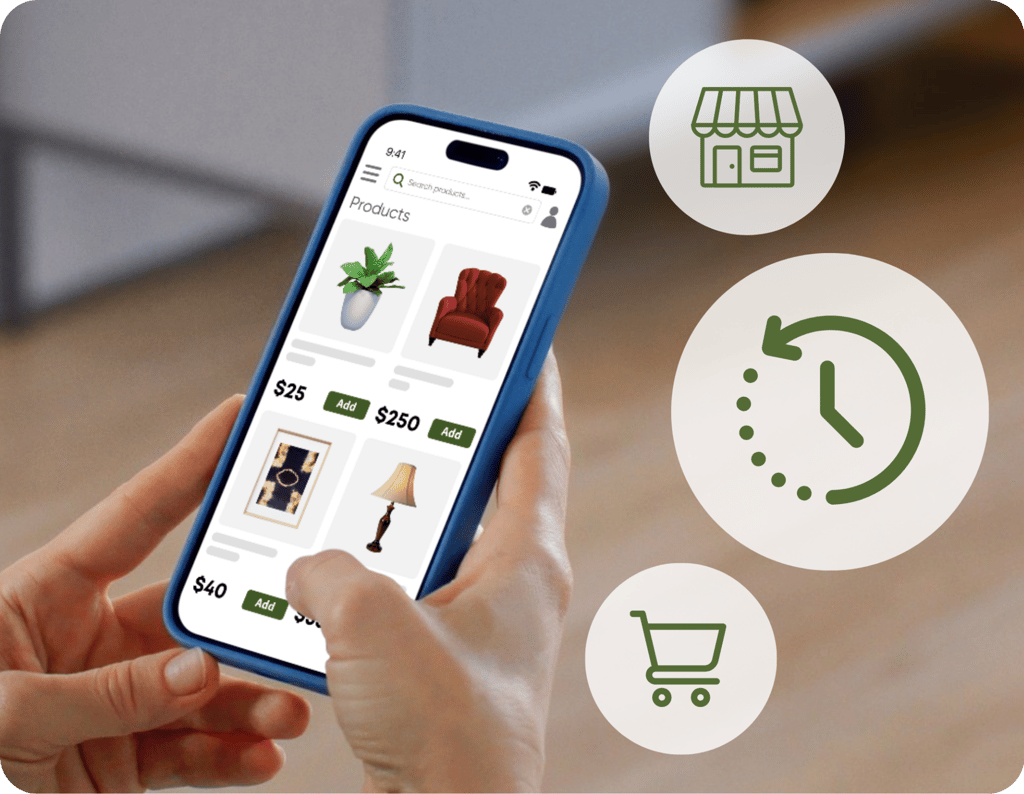
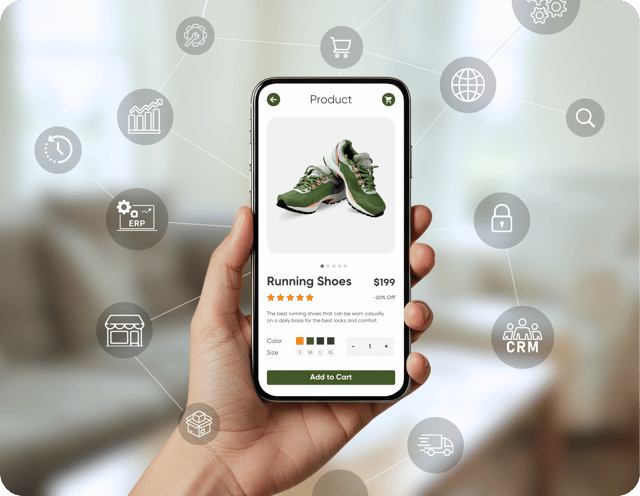
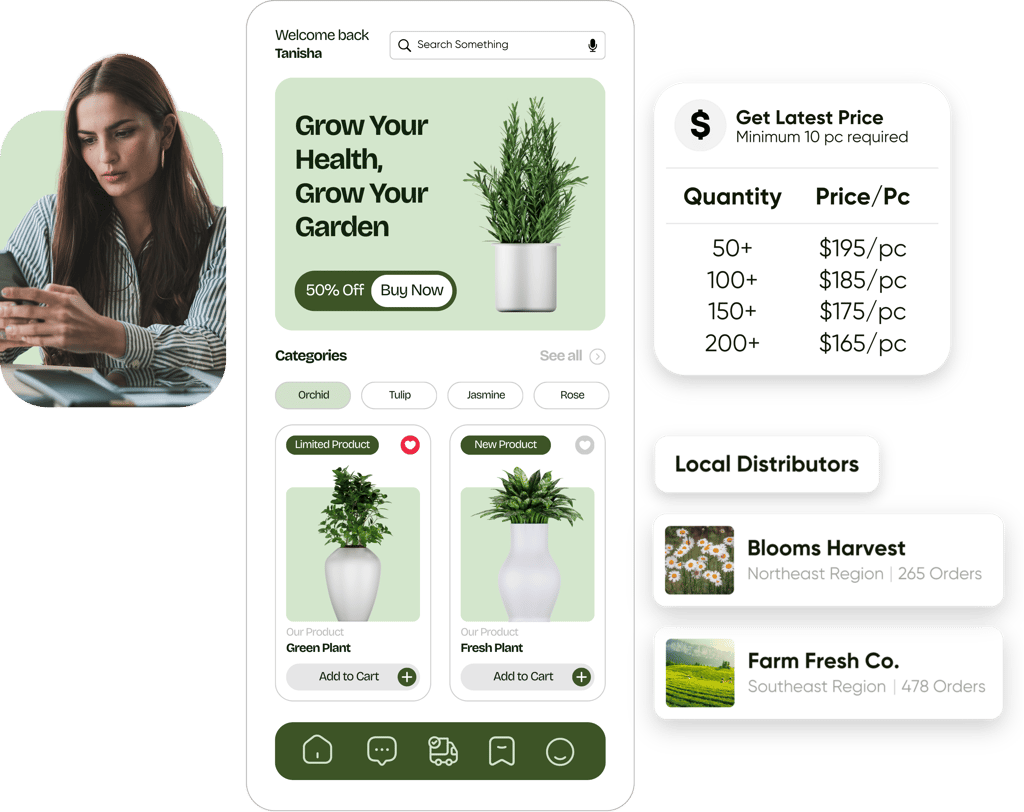
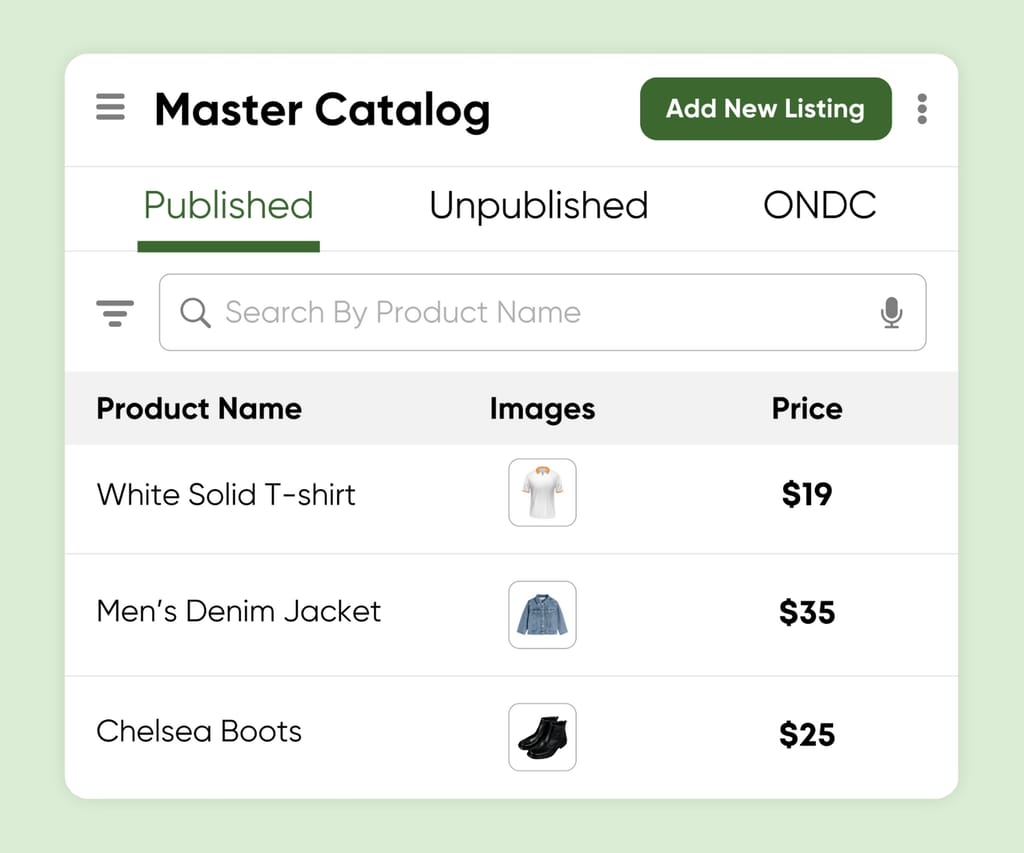
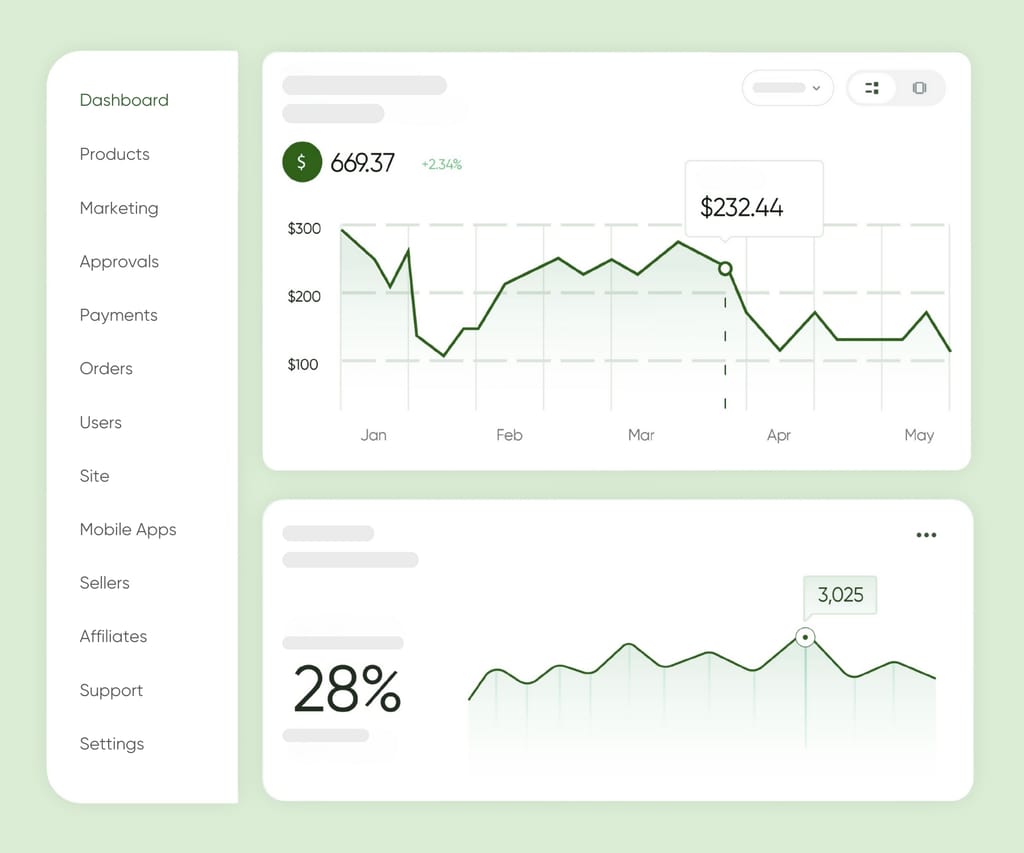
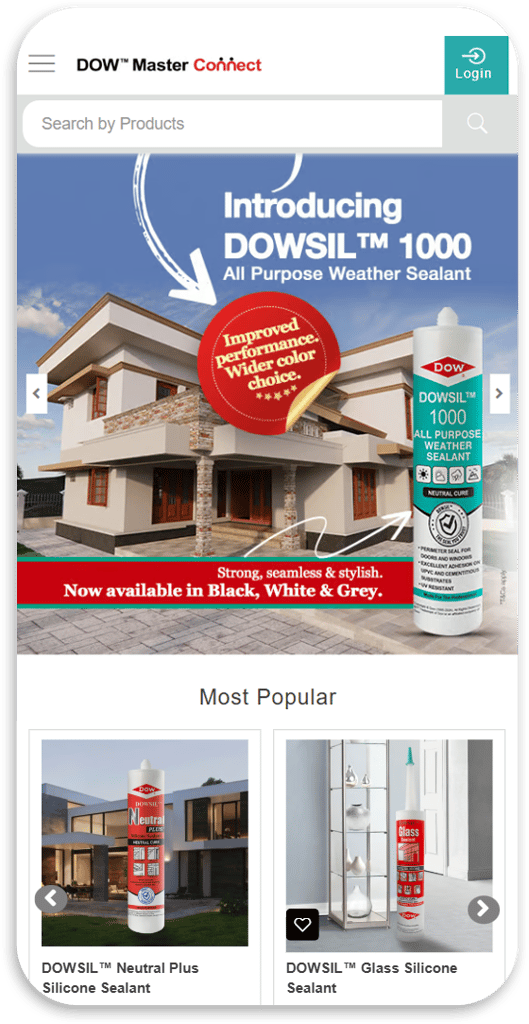
Manage products, pricing, and policies across vendors and stores from a single unified catalog and intuitive admin dashboard.

Yes, you can enable automatic translations on your ecommerce website to get the content translated into multiple languages. StoreHippo has inbuilt support for localizing content in your customers’ preferred languages and you can add any language to your multilingual website right from your store’s admin panel.
Yes, StoreHippo enables you to translate all informational, warnings and error messages into multiple languages.
Yes, StoreHippo offers multilingual ecommerce solutions with support for translations in the design theme wherein you can quickly translate the theme labels into another language.
No, you would not need different apps for adding different languages to your ecommerce website or online marketplace. StoreHippo offers a plug and play solutions for building multilingual website using which you can translate your store into 100+ languages.
Yes you can manually override the translated content using StoreHippo’s multilingual website builder's manual translate function. To do manual overrides you first need to add a language of your choice from the admin panel and then manage translations.
Yes you can easily build a multilingual, multi store network with each store having its own language. StoreHippo offers built-in support for multi store ecommerce solutions also.
Yes StoreHippo offers multilingual support for Android and iOS apps wherein users can choose their preferred language.
Yes, StoreHippo multilingual ecommerce solutions come with support for RTL languages like Arabic, Hebrew, Persian etc. You can also have your themes in RTL languages.
D2C (aka DTC) is a business model where a business manufactures (either in its own factories or through partner manufacturers) sells product directly to its end customers, without the help of third-party wholesalers or retailers. The major advantage of the D2C e-commerce model is that it “cuts out” the middlemen.
A D2C brand is the one that takes the control of whole selling process, from manufacturing the product to marketing and selling it online directly to the end consumers. The business develops, manufactures, and distributes the products directly to the users. The product is always sold to the customers directly without involving third parties like traditional distributors.
StoreHippo provides an easy way to manage and process orders. Along with that, StoreHippo supports 60+ logistics providers. You can integrate the logistics provider of your choice to facilitate smooth order delivery locally as well as internationally.
StoreHippo’s SEO-friendly ecommerce platform comes pre-integrated with major marketing tools, such as Google Analytics, Google Tag Manager, Google Merchant Center, Facebook Pixel, etc to help you strategize your marketing with data-driven insights. You just need to enter the respective IDs for each tool. StoreHippo also comes with a host of SEO features that speed up the optimization process for your pages which in turn boosts your chances of ranking higher on SERPs. Along with that, you can create dynamic marketing pages, forms, and build and manage your affiliates' network to grow your business.
StoreHippo offers plug-and-play solutions to build your D2C portal. You can create your D2C store with StoreHippo in record time as compared to building it from scratch. You can start your trial D2C store now.
StoreHippo provides a wide range of features for the D2C store, right from offering an order and product management system to marketing features, chat management system, product reviews, multiple payment solutions, domestic and international logistics providers to deliver the products, mobile apps (Android and iOS), order subscription, loyalty points, etc. we have it all to build, run and grow your D2C brand.
Yes, you can create a D2C portal with our professional plan. As your business scales, you can upgrade the plan to avail of more features and get dedicated support. Click here to know more about the StoreHippo plans and features.
Yes, you can build both (Android and iOS) mobile apps for your D2C store users. You can also configure push notifications in your mobile apps to implement strategic marketing and keep your customers informed at various stages of their purchase journey.
B2B2C stands for Business-to-Business-to-Consumer. The model combine both B2B selling and B2C selling in one. In this business model one main brand connects and collaborates with multiple other brands to ultimately serve the end customers. In a B2B2C business, 3 parties are involved, viz - the primary brand, the intermediate brands, and the customer. Consumers are fully aware that they’re buying from the primary brand. The purpose of the intermediary brands is to provide more direct service at customer touchpoints, creating a mutually beneficial situation for both businesses.
A platform that has inbuilt support for both the B2B and B2C business models and is flexible enough to accommodate the unique requirements of a B2B2C model is best-fit for B2B2C brands. StoreHippo, with its inherent flexibility and scalability, and inbuilt solutions for both B2B and B2C models is the right fit solution for diverse use cases of B2B2C eCommerce.
Yes, StoreHippo enables you to set up a hyperlocal B2B2C Marketplace with area-specific fulfilment done by local dealers. You can start your hyperlocal B2B2C marketplace with your dealers as vendors and start fulfilling the orders for retail customers in different locations. You need to onboard the vendors based on the locations you wish to serve. Once customers place their orders on your hyperlocal marketplace, the orders can be routed to the nearest dealer from your customers.
Yes, StoreHippo provides you with the provision to add marketing tools, such as Google Analytics, Facebook Pixels, etc at the substore levels. This way each of your vendors can set up their own marketing.
StoreHippo has built-in solutions to take care of diverse use cases and requirements of the B2B2C model. It comes with features, such as a multi-seller multistore (substore), substore-based sellers, substore-based payment methods, and so on. With StoreHippo B2B2C brands can set up location-based sub-stores, vendor-based sub-stores, product-based sub-stores, user-based sub-stores and many other custom use cases for setting up sub-stores.
Any business where the main business can create a strong network of other businesses to serve the end customers is an ideal fit for adopting the B2B2C model. These businesses can sell products or services and together offer additional value to the customers which is otherwise not possible to offer in isolation by either the main business or its partner businesses.
A B2B2C model opens up a wider target market/audience segment for both the main brand and its partner brands. With huge data at their disposal, they can also strategize their business and marketing moves for fast growth. The B2B2C set up also tends to provide a better customer experience and buying journey for the end consumer.
Yes, StoreHippo allows you to create a B2B2C brand with multiple brands as sellers. However, the number may vary from plan to plan.
Yes, StoreHippo ecommerce platform provides the end to end support for international businesses along with the custom setup of functionalities, such as multilingual, multi-currency, multistore (substore), etc.
Yes, StoreHippo comes with a gamut of inbuilt marketing tools to enable B2B2C brands to run their marketing and promotions.
Combining B2C with the B2B model gives enterprise brands a better understanding of the market and customer requirements. Also, going B2C helps better with branding and creating loyal customer base among millions of customers.
StoreHippo offers various plans and custom pricing for implementing B2B2C use cases for enterprise brands. Please check out our plans or connect drop us a mail here.
Yes, StoreHippo provides ready-to-use mobile apps for Quick-Commerce marketplaces. You can create Android and iOS apps without coding, manage them from the same backend as your website, and offer features like fast order placement, real-time inventory and location-based delivery with order tracking and delivery status.
Yes, StoreHippo allows you to control product availability based on the user’s location. You can set visibility rules using geolocation parameters such as pincode, city, state, or country, ensuring customers only see products that can be delivered to their area.
Yes, StoreHippo enables you to onboard and manage your entire distributor or dealer network through a centralised admin panel. Each distributor can be given a separate dashboard to manage their products, inventory, and orders, while the central admin gives full visibility and control across all operations.
Absolutely. StoreHippo’s scalable architecture is designed to support multi-city operations. You can create separate location-based substores, inventory, regional language support, manage region-specific logistics, onboard new vendors, and route orders locally, all from a single backend.
Yes, StoreHippo allows you to fully customise the design, theme, language, and content of each location-based substore. This enables you to deliver a hyperlocal, brand-consistent experience tailored to specific regions or customer groups.
Yes, you can configure location-wise inventory across your Q-Commerce marketplace. Each store, warehouse, or distributor can maintain its own inventory, ensuring accurate stock visibility and optimised local fulfilment.
Yes, StoreHippo’s powerful discount engine enables you to create region-specific offers, discounts and promotions based on the customer’s location, store, or user group. This helps you boost conversions by tailoring deals to local preferences and demand patterns.
Yes, StoreHippo supports intelligent order routing based on customer location. Orders can be automatically directed to the nearest store, warehouse, or dealer, helping you ensure faster last-mile delivery and enhanced customer satisfaction.
Yes, you can integrate and manage your own delivery personnel within the StoreHippo ecosystem. The platform allows you to assign delivery tasks, track agents in real-time, and ensure timely fulfillment, offering complete control over your logistics operations.
Yes, StoreHippo offers built-in multilingual capabilities, allowing you to create location-specific storefronts in regional languages. This helps you connect better with local buyers, enhance customer experience, and boost engagement across diverse geographies.
Omnichannel retail or Omnichannel commerce is a business strategy that focuses on providing a multichannel approach for sales. The main objective is to provide the customer with a seamless and unified buying experience across multiple channels (digital as well as offline). It is more aligned with the non-conventional buying habits of modern customers and gives them the bandwidth to explore a brand across channels.
The major goal of an omnichannel business presence is to provide a convenient and seamless user experience to the end consumers to keep them engaged and loyal to the brand.
StoreHippo comes with a plug-and-play multi-vendor solution and its pure headless architecture enables brands to add multiple customer touchpoints using the same backend logic and APIs. Brands can create their omnichannel marketplace easily and quickly using advanced marketplace solutions from StoreHippo.
StoreHippo offers a wide range of inbuilt marketing tools to help brands promote their omnichannel business. StoreHippo also integrates easily with popular marketing and analytics tools like Google Shopping Ads, Facebook Ads, Google Analytics, Facebook Pixel, SEO (Search Engine Optimisation) tools, custom Email and SMS providers, and much more.
Omnichannel is quite similar to multichannel, the main difference is that the omnichannel focus on providing a seamless customer experience across all channels. As omnichannel provides a holistic approach to sales and marketing, user engagement, and conversion, it is more dynamic. It provides a way for the users to connect their different channels and achieve brand consistency throughout. The objective of omnichannel marketing is to meet customers where they are and provide them with a unified buying experience irrespective of which channel they’re using.
There has been a considerable shift in consumer behavior towards online shopping. Omnichannel offers cross-channel flexibility and gives customers more channels to connect with their chosen brand enabling them to evaluate a brand better before making their purchasing decisions. With the majority of shoppers using multiple channels to shop and compare prices, committing to omnichannel is not only the right decision, but it is ultimately the necessary transition for growth.
Omnichannel ecommerce simplifies and enhances the shopping experience of new-age buyers. Also, it helps customers to buy from their favorite channels and allows them to interact with their chosen brand anywhere, anytime.
Though omnichannel is perceived as more of a retail or B2C thing, B2b buyers are also seeking the same ease and convenience from B2B brands. B2B enterprises can benefit hugely by transitioning to omnichannel selling. The omnichannel experience offers a blend of conventional channels with technology-driven channels to the B2B buyers. That means a seamless and enhanced ecommerce experience for customers. B2B stores need to find new ways to attract and engage customers for conversions. As B2B customers are moving towards digital self-serve channels it becomes extremely important to offer them a consistent experience on diverse sales channels.
A brand that can successfully deliver the products and services to its customers is going to build long lasting relationships with its customers. It is like if a customer is satisfied with a business, they’ll come back. Omnichannel ultimately gives you more ways to provide more buying options, more channels, etc. Hence, you will have more ways to keep your customers happy.
Any business or brand that sells its products or services on more than one channels are best for omnichannel irrespective of its size.
Omnichannel helps in reducing the gap between online and brick-and-mortar shops. StoreHippo comes comprehensive omnichannel solutions and integrates with the ebst ERP, CRM, accounting, POS and other systems to help brick-and-mortar brands transition to omnichannel commerce and manage all their busienss details from a central admin panel.
A hyperlocal marketplace is an online multi-vendor marketplace that caters to customers in a specific geographic location or zone. The stores listed under the hyperlocal marketplace will be specific to the location and the delivery range.
Basically, hyperlocal refers to all the businesses/stores in your vicinity. Hyperlocal marketplace focuses on fulfilling the immediate demand of the buyers from the nearest available store (location) and in the shortest span of time in an optimized manner. On the other hand, an ecommerce marketplace can be serving customers in a vast geographical area, both in domestic and/or international markets. Typically orders from hyperlocal marketplaces are fulfilled in a few hours while orders from an ecommerce marketplace may take days or even weeks to be fulfilled.
Hyperlocal eCommerce business is growing at a rapid pace and disrupting the ecommerce sphere like never before. If you are into any businesses, such as pharmcay, grocery store, FMCG, restaurant, gifts, or any other everyday essential, etc, then hyperlocal marketplace can be pivotal for you. This is due to demands of same-day doosrstep delivery. Apart from that, some other benefits of hyperlocal marketplaces are: Less capital required No need for a warehouse Fewer logistics costs as delivery locations are nearby Very fast delivery More vendors hence more profit
Yes, StoreHippo allows you to set up the location based substores. Either you can create different substores for different cities using the store variants feature or you can create substores based on the PIN codes using the store location feature.
Yes, you create location-based products in your store powered by StoreHippo. First, you need to set up the location based substores, then you can assign products to the specific substores while adding or editing them.
Yes, StoreHippo provides the carrier management functionality. With this feature, you can add a custom delivery partner or manage, local delivery associates, easily right from your admin panel.
Yes, StoreHippo allows you to add payment methods based on geolocation. You can add payment based on the countries, cities, and ZIP codes.
StoreHippo allows you to define the shipping methods for various conditions. You can add shipping methods based on the ZIP code, states, and countries.
StoreHippo provides support for push, email, and SMS notifications. Using these notifications you can keep your customers and delivery agents informed throughout the order and delivery process.
Yes, StoreHippo provides the support for order routing and geolocation detection to make deliveries quicker and optimized. For example, If Store A is 3 km and Store B is 5 km from the customer’s location, then the order will be routed through Store A to optimize delivery.
Yes, StoreHippo supports the Google Map API integration. You just need to get the Google Map API key and mention it in the Admin panel of your store.
StoreHippo understands how important is it to reach more customers in your locality. To facilitate better reach and connectivity with your buyers, StoreHippo enables you to build mobile apps for your store. You can quickly build Android and iOS mobile apps from your Admin panel that too without any additional cost or coding.
With the StoreHippo Multi Store feature, you can create multiple child storefronts (substores) for different brands, locations, user groups, or devices. The substores can be managed using a common central Dashboard. Each substore can have its own catalog, inventory, domain, theme, language, currency, and other settings.
Yes, you can create two different substores for B2B and B2C/D2C customers. They can have the same catalog with different prices or can have exclusive products. You can set different rules, promos, and settings like minimum order value, restricted login, store credit for specific substores.
Yes, StoreHippo gives you multiple options to set up different URLs or domains for substores. 1. You can link top level domains e.g. substore1.com, substore2.com to different substores. 2. You can link subdomains of same domain to different substores e.g. substore1.mystore.com, substore2.mystore.com 3. You can also have different substore URLs on the same domain e.g. mystore.com/store/substore1, mystore.com/store/susbtore2
Yes, you can link a product to one or many substores. You can also configure a specific product to show on all of the substores. Only the products that are linked to a substore will show up on that substore.
Yes, you can have different themes for different substores. You can also configure different navigation, pages, blogs for different substores.
Yes, the StoreHippo Multi Store feature makes it super easy for you to set up and manage an online presence for your brand across multiple countries. You can set up country-specific domains or allow customers to switch between different countries on the same domain. You can configure different languages and currencies specific to each of the target countries. You can also configure local payment methods, shipping rates, shipping providers, email and SMS providers for different countries.
Yes, you can configure different substores for different locations. You can then set up different products, promotions, and settings for different locations. You can also direct customers automatically to the nearest store based on their current location.
Multi Store features allow you to create different substores for your multi seller marketplaces. For example, you can create different substores for different countries and each country might have its own set of sellers. If you are running a hyperlocal aggregator marketplace then your sellers might associate themselves with only the substores that fall within their delivery radius. This feature allows you to offer your sellers their own unique seller based substore which only shows their products.
Yes, after you have created multiple substores, you can set up different payment methods for each of the substores. For example, you might want to enable Paypal, Stripe for US substore and Paytm, Razorpay, Netbanking, COD for India substore. You can also enable account-based payment or payment on credit for your B2B substores.
No, you don’t need separate subscriptions or logins. StoreHippo offers a single subscription with a central admin dashboard to manage all substores seamlessly. You can also assign substore managers for each of your sub-store to manage each substore’s operations independently.
Yes, you can restrict access to specific substores using login-based access, IP-based restrictions or customer group permissions.
Yes, StoreHippo allows you to set up distinct deals, discounts, and coupon codes for each substore, enabling personalised promotions.
Yes, you can access substore-specific reports and analytics right in your dashboard to monitor performance, traffic, sales and customer behaviour at a granular level. You can also create custom reports based on your unique requirements.
Yes, with StoreHippo’s built-in mobile app builder, you can create separate mobile apps for each substore, without writing any code. However, the number of apps you can create may vary based on your subscription plan. Please discuss with our team for pro-rata pricing and custom options tailored to your business needs.
Yes you can build an Amazon-like horizontal marketplace with StoreHippo. You can also build other marketplace models like a makeup and beauty products marketplace like Nykaa, service aggregator marketplace like Zomato or a B2B marketplace like IndiaMART.
Yes, the StoreHippo multi vendor ecommerce platform provides a separate dashboard for each seller to manage their products and Orders. Also, you can build the admin app which each seller can use.
Yes, you can enable multiple logistics providers on your marketplace and sellers can use one of them to ship their orders. Sellers can also use their own delivery partner or local delivery boys to ship the orders.
Yes, you can use the same marketplace for your D2C orders as well as for managing your dealer/ distributor networks and B2B transactions. You can implement pricing override for different buyer groups or set up different sub stores for D2C and B2B buyers.
Yes, the customer can order products from different sellers in a single cart. The multiple orders will be created one for each seller and will be assigned to the respective sellers.
The StoreHippo multi vendor ecommerce platform provides the price overrides and linked products features. With the help of these features, one product can be sold by different sellers at different prices.
You can configure marketplace fees through ledger rules. Every seller has its own ledger which will reflect the marketplace fees as well as the payout. You can also generate tax invoices for sellers for the fees.
Yes, StoreHippo automatically calculates the IGST, CSGT, SGST based on customer and seller locations. The order invoice is generated directly from the seller to customers.
Yes, you enable approval flow for seller registrations as well as for the products that they will upload.
Yes, the StoreHippo multi seller functionality allows your sellers to create multiple sub sellers for your online marketplace.
Yes, you can create location based sub stores and assign sellers to a specific location.
Each seller / vendor has a dedicated URL and page.
StoreHippo offers an inbuilt multi vendor solution for building a variety of online marketplaces. You do not need any plugin to build the marketplace. You can start by creating a trial store and, once ready, choose a subscription plan to make your store live on your own custom domain.
Yes, you can add 1000+ sellers to your marketplace. There is a soft limit based on the selected subscription plan. Please review and choose the subscription plan that supports large-scale enterprise businesses, or discuss your custom requirements with the StoreHippo team to add your vendors and products.
You can add unlimited products to your auto-scalable multi vendor marketplace powered by StoreHippo
Yes you can build a custom marketplace easily by incorporating new features and modules along with custom UI UX for the storefront to suit your unique business needs.
Yes, StoreHippo supports seamless integration with your distributors’ existing logistics systems, ERP, and other B2B software through its robust API infrastructure. This enables smooth data exchange, streamlined operations, and unified workflows across your supply chain, without the need for custom development or third-party connectors.
No, you don’t need any plugin to build a multi-vendor marketplace with StoreHippo. The platform includes comprehensive, in-built multi-vendor features to create a multi vendor marketplace without plugins. With StoreHippo multi seller ecommerce set up you can handle everything from seller onboarding and management to commissions, logistics, and payouts without any hassle
You can build an Amazon-like horizontal multi-vendor marketplace with StoreHippo using its in-built marketplace features. The platform provides native tools for building, running, managing and growing marketplace websites across business models and industries. With StoreHippo multi vendor website builder, you can also build other marketplace models like a makeup and beauty products marketplace like Nykaa, service aggregator marketplace like Zomato or a B2B marketplace like IndiaMART.
Yes, you can fully customise your StoreHippo powered marketplace to match your unique business requirements. StoreHippo’s headless ecommerce platform, API-first architecture, lets you modify storefront design, checkout flows, seller workflows, pricing rules, product pages, and integrations without relying on plugins. You can add custom modules, create tailored UI/UX, and build specialised B2B, B2C, D2C, B2B2C, Quick Commerce or hyperlocal marketplaces using StoreHippo’s flexible, built-in tools and developer options. You can select from a range of subscription plans, and any advanced customisation you need can be taken up additionally, with pricing determined on a case-to-case basis.
StoreHippo lets you manually review and approve both seller registrations and product listings before they go live. You can enable manual approval workflows for new sellers, verify their details, and approve or reject products uploaded by vendors, ensuring only trusted sellers and compliant listings appear on your multi seller marketplace.
Yes, StoreHippo multi vendor marketplace solution supports large-scale enterprise marketplaces with thousands of sellers. The platform is built on an auto-scalable, cloud-native architecture that handles high seller volume, large catalogues, and heavy order loads. You can onboard 1,000+ sellers, manage approvals, set commissions, and run multi-store or multi-model setups without relying on plugins or custom infrastructure.
StoreHippo lets you configure seller commissions and marketplace fees using built-in ledger rules. You can define percentage-based or fixed fees, apply different commission rates for specific sellers or categories, and automatically record payouts and invoices in each seller’s ledger. All fees are calculated and tracked in real time, so you can manage marketplace earnings without manual work or third-party plugins.
With StoreHippo, you can create a dedicated seller page for each vendor on your multi-vendor marketplace. Every seller gets a unique URL that displays their store details, product listings, ratings, and other information. You can customise the design, layout, and fields of these pages through the storefront editor or theme code, giving each seller a branded, SEO-friendly seller page without needing plugins or custom development.
Yes, StoreHippo supports multiple sub-sellers under a single seller on your online marketplace. Sellers can create sub-sellers and define access levels to manage products, orders, inventory, and deliveries. All sub-accounts can be controlled by the seller, enabling vendors to delegate tasks and manage operations efficiently without the need for any plugins.
StoreHippo allows sellers to manage their own fulfilment and shipping directly from their built-in seller dashboard. In seller managed shipping, vendors can choose from the logistics partners you enable, generate shipping labels, update order statuses, and dispatch orders themselves. They can also use their own delivery partners or local delivery teams if you allow it. For this entire workflow no separate plugins or custom development is required.
Yes, customers can buy products from multiple sellers in a single cart on your multi-vendor marketplace. StoreHippo automatically splits the order by seller at checkout, creating separate orders for each vendor while keeping the shopping experience seamless for the buyer. All payments, shipping updates, and order tracking work natively without plugins or custom setup.
StoreHippo enables you to run D2C and B2B business models on one unified marketplace platform. You can create separate sub-stores for retail and wholesale buyers, set different pricing and payment terms, control catalog visibility, and customise workflows for each segment. With built-in multi-store capabilities and a single admin panel, you can manage both models seamlessly without extra subscriptions, plugins, or separate websites.
Yes, StoreHippo fully supports hyperlocal and location-based delivery models for multi vendor marketplaces. You can create location-specific sub-stores, assign sellers to serviceable areas, and enable buyers to see only the products available in their PIN code or locality. StoreHippo also supports local delivery partners and logistics integrations, allowing you to offer fast, area-specific delivery without additional plugins or custom development.
Yes, StoreHippo lets you build a multi-vendor marketplace with multiple storefronts for different countries. Using StoreHippo’s built-in multi-store functionality, you can create country-specific storefronts with their own languages, currencies, pricing, catalogs, taxes, and shipping rules. Each storefront can be managed from a single admin panel, while sellers operate normally across regions. This allows you to run a global, multi-country marketplace without separate websites, plugins, or custom development.
Yes, StoreHippo supports seamless integration with your distributors’ existing logistics systems, ERPs, and other B2B software. Its API-first architecture allows you to sync orders, inventory, shipping updates, pricing, and customer data across all tools in real time. You can connect third-party logistics partners, WMS, CRM, and ERP solutions directly to your marketplace without relying on plugins or custom patches, ensuring smooth operations and unified workflows across your entire distributor network.
Yes, StoreHippo automatically calculates GST based on both the seller’s and the customer’s locations for your multi vendor marketplace. The platform applies IGST, CGST, or SGST as required, and generates tax-compliant invoices directly from the seller to the buyer. All GST rules work out of the box for multi-vendor marketplaces, with no plugins or manual tax setup needed.
StoreHippo lets sellers upload products in bulk and maintain accuracy using built-in CSV imports and AI-powered catalog automation. Vendors can add thousands of SKUs at once and use AI to generate product descriptions, categories, and attributes from images speeding up listing while ensuring consistent, error-free product data.
StoreHippo helps you improve vendor-uploaded product images using its built-in AI image enhancement tool, Magic Edit. Vendors can upload regular photos, and AI automatically cleans them, removes noise, adjusts lighting, sharpens details, and generates studio-quality visuals. This ensures all seller listings look consistent and professional without manual editing or third-party tools.
Yes, StoreHippo provides a built-in no-code mobile app builder to create Android and iOS apps for your multi-vendor marketplace website. You also get pre-built apps for sellers, admins, and delivery teams, no coding, plugins, or third-party tools required.
Yes, every seller gets access to StoreHippo’s built-in seller admin app, where they can manage products, orders, payouts, inventory, and shipping from their mobile device.
Storehippo headless architecture enables you to create multiple frontends using the same backend logic. You can build an omnichannel marketplace brand presence by creating your marketplace website, mobile apps, PWA stores, setting up WhatsApp store, creating niche AI shopping assistant interface to sell directly there and also connect offline stores, dealer networks, and other sales channels under one platform. You can sync catalogues, orders, inventory, and customer data across every channel and manage everything from a single, centralised backend.
Yes, StoreHippo supports omnichannel commerce and enables marketplace brands to create multi channel presence through marketplace website, mobile apps, stores, and sales channels. All channels can be managed from one unified backend and central control.
You can easily build and launch a fully tailored B2B commerce experience for your brand on StoreHippo. StoreHippo B2B ecommerce platform offers API-first, plugin-free B2B ecommerce solutions built on MACH architecture and true headless framework. You can customise workflows, approvals, pricing logic, procurement journeys, and UI behaviour on your own domain, without being limited by plugins. Leveraging the headless set-up and the same backend logic you can create multiple frontends to create an omnichannel B2B brand presence. With a flexible and scalable core you can build your B2B commerce solutions exactly around how your business operates.
StoreHippo's wholesale platform lets you bulk upload large product catalogues on your B2B marketplace using CSV files, saving time and manual effort. To speed up cataloguing further, StoreHippo offers AI-powered cataloguing that can automatically generate product descriptions, categories, and attributes directly from product images. This helps enterprises onboard thousands of SKUs quickly while maintaining consistent and high-quality listings. StoreHippo also offers Magic Edit, an AI-powered photo editor to improve image quality.
Yes, StoreHippo allows you to create multiple country-specific storefronts with separate languages, currencies, taxes, and catalogues all managed from one admin. Each country-specific sub-store can have its own URL, design, integrations and other localisation features to make it user-friendly.
StoreHippo’s go-global features offer native localisation solutions without plugins. You can assign store-wise base currencies and regional pricing using the price override rules, create multilingual storefronts and offer multi-currency pricing on your B2B marketplace. It also includes a robust tax engine that adapts taxes by region or customer group, along with multi-currency invoicing. This ensures buyers see familiar language, accurate prices, and region-relevant taxes, while industry workflows, data, and compliance stay unified and enterprise-ready across all geographies.
StoreHippo B2B ecommerce platform offers built-in multi-currency and multilingual support to help B2B brands localise their storefronts for global buyers. You can configure region-specific currencies, languages, taxes, and payment gateways to deliver a personalised buying experience across geographies, without relying on third-party plugins.
Yes, StoreHippo supports a complete multi-country tax setup with automatic tax calculation. You can combine multiple taxes under a single rule, create cleaner invoices using tax groups, and apply tax rules based on country/state, product type, HSN/SAC codes, seller location, order amount, or buyer segment, making complex international taxation easy to automate.
StoreHippo’s B2B ecommerce solutions come with built-in pricing override feature that lets you offer different prices for the same product based on geography, customer groups, or any business rule. This helps B2B brands manage global and wholesale pricing without custom coding.
StoreHippo lets you create custom roles and permission sets using Roles and Commands. You can define what each user-sales teams, procurement managers, dealers, distributors, or B2B clients-can view, edit, or manage, ensuring secure and clear workflows across your enterprise operations.
StoreHippo B2B ecommerce platform ensures multi-level enterprise-grade security standards, including HTTPS, SSL, secure authentication, role-based access control, and PCI-DSS, SOC & ISO compliance. The platform runs on secure cloud infrastructure with continuous monitoring and updates to safeguard your business data and transactional integrity.
StoreHippo provides separate dashboards for each vendor or distributor while letting your admin(s) monitor everything from a central admin. Your admin teams can track orders, inventory, pricing, and performance across all vendors on your B2B marketplace while still allowing them to manage their day-to-day operations independently.
StoreHippo simplifies, unifies, and automates B2B operations with built-in features like RFQ, MOQ, tiered pricing, buyer groups, custom forms, multi-store workflows, and differential pricing. These help wholesalers modernise operations, reduce manual processes, and speed up order cycles.
StoreHippo offers RFQ, MOQ, custom workflows, tiered pricing, and 3-way chat between admin-seller-client to automate and accelerate sales cycles. Also, StoreHippo offers AI powered semantic search and recommendations that further speed up buyer journeys by finding and recommending the intended products faster. Brands can shorten negotiation time, reduce errors, and close orders faster using built-in B2B tools. StoreHippo also enables wholesale marketplace brands to build custom agentic AI for ecommerce, which can helps businesses offer self-serviced buying through a simple chat interface.
Yes, StoreHippo enables B2B and D2C selling from the same platform using multi-store, buyer groups, and custom workflows. You can offer different pricing, catalogues, and rules for wholesale and retail customers by creating separate B2B and D2C storefronts managed by a common central admin dashboard.
StoreHippo’s Multistore® ecommerce solution lets you create separate stores for distributors based on region, product line, or business rules. All distributor stores are managed centrally while distributors operate independently. Each sub-store can have separate pricing, catalogue visibility, payment rules, and workflows.
Yes, StoreHippo supports seamless integration with logistics systems, ERP, WMS, CRM, and distributor tools through its API-first architecture. No plugins needed.
Yes, StoreHippo’s no-code app builder lets you create B2B marketplace apps for Android and iOS. StoreHippo also comes with re-built admin, vendor, and delivery boy apps to enable all parties run the business on the go.
StoreHippo B2B ecommerce platform comes with a built-in omnichannel support that enables your B2B company to seamlessly create an omnichannel presence through webstore, mobile apps, conversational AI interface for ecommerce, WhatsApp and any other commerce-enabled fronend. You can offer seamless buying experiences across all the channels and manage products, pricing and buyer journeys across all channels from one unified backend.
No, you don’t need separate subscriptions or logins to run a multi store setup with StoreHippo. You just pay a single subscription for all your sub-stores and manage all substores seamlessly with a central admin dashboard. You can also assign substore managers for each of your sub-store to manage each substore’s operations independently.
Yes, you can create two different substores managed by a common central admin for B2B and B2C/D2C customers. These B2B+B2C/D2C sub-stores can have the same catalogue with different prices or can have exclusive products. You can set different rules, promos, and settings like minimum order value, restricted login, and store credit for specific substore
Yes, StoreHippo gives you multiple options to set up different URLs or domains for substores in a multi store set up.
You can easily link a product to one or many substores on your StoreHippo powered multi-store network. You can also configure a specific product to show on all of the substores. Only the products linked to a given substore will show up on that particular substore. It will not show up on any other sub-stores on your multistore network where it is not linked.
Yes, you can have different themes for different substores on your multi store brand. You can also configure different navigation, pages, and blogs for different substores and have different pricing, checkout flows and products on each sub-store.
You can restrict access to specific substores on your multistore network by using login-based store access restrictions, IP-based sub-store access restrictions or customer group permissions on your enterprise brand’s various sub-stores.
StoreHippo has a built discount engine that enables you to set up distinct deals, discounts, and coupon codes for each substore, enabling personalised promotions on every storefront in your multi-store network
StoreHippo gives you the price override rules for a product to add differential pricing on different sub stores in your multi store network. Using the price overrides, you can set different prices for the same product based on the substore, user group, user location, and other conditions.
After you have created multiple substores, you can set up different payment methods for each of the substores. For example, you might want to enable Paypal, Stripe for US substore and Paytm, Razorpay, Netbanking, COD for India substore. You can also enable account-based payment or payment on credit for your B2B substores.
Yes, you can access substore-specific reports and analytics right in your dashboard to monitor performance, traffic, sales and customer behaviour at a granular level. You can also create custom reports based on your unique requirements.
Yes, after you have created multiple sub-stores for B2B+D2C, you can set up different payment methods for each of the substores. For example, you might set up COD, UPI, credit and debit cards, netbanking etc for the D2C sub-store and enable account-based payment or payment on credit for your B2B sub-stores.
StoreHippo Multi Store feature makes it super easy for you to set up and manage an online presence for your brand across multiple countries and geographies. You can set up country-specific domains or allow customers to switch between different countries on the same domain. You can configure different languages and currencies specific to each of the target countries. You can also configure local payment methods, shipping rates, shipping providers, email and SMS providers for different countries.
Yes, you can configure different substores for different locations/cities to build a hyperlocal food aggregator using StoreHippo Multistore feature. You can then onboard restaurants, cloud kitchens and food kiosks from different cities, add unique promotions for each location/restaurant and add other payment and delivery settings for different locations. You can also direct customers automatically to the nearest store based on their current location.
Multi Store features allow you to create different substores for your multi seller marketplaces. For example, you can create different substores for different countries, and each country might have its own set of sellers. If you are running a hyperlocal aggregator marketplace then your sellers might associate themselves with only the substores that fall within their delivery radius. This feature allows you to offer your sellers their own unique seller based substore, which only shows their products.
StoreHippo has an AI commerce engine built directly into its core, so key AI features like semantic search, product recommendations, image enhancement through Magic Edit and AI-assisted catalogue creation come natively without any plugins.
All AI features work out-of-the-box enabling brands to leverage them from day one. However, if your brand wants to build custom AI agents or advanced, business-specific AI workflows on top of the native capabilities, those are discussed separately and priced on a pro-rata basis depending on your use cases and scale.
StoreHippo’s built-in AI engine can automatically generate product listings for large inventories. For example, it can scan uploaded product images and data, then create clean, SEO-friendly titles, descriptions, categories and attribute mappings, without manual work. This makes the catalogue setup much faster when you have hundreds or thousands of products.
Yes, StoreHippo’s built-in AI image editor Magic Edit can automatically clean, enhance and resize product images. Magic Edit improves lighting, adjusts backgrounds and optimises size/format so product photos look consistent and professional without the need for manual editing.
StoreHippo’s AI feature for search uses semantic understanding instead of exact keywords, so it reads intent, context and synonyms to show the most relevant products instantly. This helps buyers navigate large or complex enterprise catalogues without confusion. The AI search engine also learns from each buyer behaviour and interactions and improves results over time, making product discovery faster, smoother and more accurate across enterprise B2B, B2C or multi-vendor marketplace setups.
Agentic AI assistants personalise buyer journeys by understanding each shopper’s intent, behaviour and past interactions. They adapt recommendations in real time, highlight relevant products, and guide users based on preferences, budget, or use cases. Instead of generic suggestions, buyers get tailored prompts, comparisons and reminders that match their context. Instead of browsing multiple pages, shoppers get instant, context-aware suggestions and can complete actions like adding to cart or checking out within the same chat. This reduces friction, improves discovery and speeds up decision-making for all types of buyers.
Yes, StoreHippo’s native AI commerce engine can create custom agentic bots tuned to your product structures, buying patterns, and use cases for better relevance and accuracy. Deeper customisation or building dedicated agentic AI assistants for your brand is handled as a separate custom development on a pro-rata basis and charged seperately on top of subscription charges.
You can see a custom agentic AI in action with Mystore Kisan, the AI for agri-commerce that brings agriculture into mainstream ecommerce while helping farmers with instant mandi prices, weather insights, guided product discovery, loan comparison and loan application support, all in one place.
Yes, StoreHippo can create an agentic AI assistant that guides vendors through onboarding and daily marketplace operations. It can walk sellers through setup steps, catalog uploads, pricing updates and order workflows in a simple conversational flow. The assistant can also answer routine queries instantly, provide help guides or videos, and reduce dependency on support teams, helping vendors go live faster and manage operations smoothly at scale. You can explore the AI features of Mystore Mitra, custom built by StoreHippo to help MSMEs on Mystore.
AI-based cataloguing on StoreHippo significantly cuts down manual effort, especially for large multi-vendor catalogues. The native AI commerce engine can auto-generate titles, descriptions, categories, attributes and image enhancements, turning hours of manual work into minutes. Teams don’t have to rewrite repetitive content or organise thousands of listings by hand. For most enterprises, this reduces 60–80% of cataloguing effort, speeds up vendor onboarding and keeps catalogue quality consistent across all sellers.
Yes, StoreHippo’s native AI can help manage multi-store or multi-brand content more efficiently. It auto-creates product descriptions, titles, tags and images that stay consistent across all stores, while still allowing localisation when needed. Teams don’t have to rewrite the same content for every brand or sub-store. This reduces repetitive work, speeds up updates and keeps catalog quality uniform at scale. Advanced, brand-specific AI workflows can also be customised on a pro-rata basis.
Yes, StoreHippo can build an AI support assistant for end buyers on enterprise marketplaces. The agentic AI can handle product queries, order status checks, returns, cancellations, and basic troubleshooting through natural, conversational interactions. It reduces support load, gives instant answers, and helps buyers move smoothly from search to purchase to post-order care. Advanced workflows can also be customised on a pro-rata basis to match your brand’s specific support needs.
StoreHippo’s built-in AI commerce engine enables marketplace brands to improve product discovery by understanding real buyer intent, not just keywords. The native semantic search, AI recommendations and context-aware results ensure shoppers instantly see relevant products, even when marketplaces have large, multi-tier and complex catalogues. This reduces empty searches, irrelevant results and back-and-forth browsing that often cause drop-offs. Buyers find what they need faster, stay engaged longer and are more likely to move from search to purchase without abandoning the journey.
Yes, StoreHippo’s native AI recommendations can be tuned to support upselling, cross-selling and high-margin product pushes. The system learns from buyer behaviour, order patterns and catalogue structure to highlight products that increase AOV or align with your sales goals. You can also guide the AI with business rules or priority categories so it promotes the right items. For deeper custom tuning, StoreHippo can configure advanced models on a pro-rata basis.
Yes, StoreHippo supports voice and text-based conversational AI for guided shopping journeys. With agentic AI assistants, buyers can search, compare, ask questions and complete purchases through simple chat-based interactions.
Buyers can speak, or text in natural language and AI understands intent, offers personalised recommendations and matches queries to the right products, thus speeding up purchase decisions without browsing to and fro. This reduces friction, improves discovery and creates a smooth, guided buying experience across B2B, B2C or multi-vendor setups. You can see this in action with Mystore Genie, powered by StoreHippo AI commerce engine.
Enterprises can save significantly by using StoreHippo’s built-in AI commerce engine instead of relying on multiple plugins. With a native AI engine handling search, recommendations, image edits and catalog automation, brands avoid separate plugin fees, maintenance effort, version conflicts and performance issues. This reduces ongoing tech costs, lowers dependency on third-party tools and cuts operational overhead. Most enterprises see significant savings across different layers of ecommerce operations because everything works out-of-the-box on a single platform.
Yes, StoreHippo’s AI commerce engine reduces time-to-market by automating major parts of catalogue creation and updates. Product titles, descriptions, categories, tags and images can be generated or optimised instantly, so teams don’t spend days preparing listings. This helps enterprises launch new collections, vendor catalogues or seasonal SKUs much faster. Since everything is native and plugin-free, updates stay consistent across stores and brands, making the entire release cycle quicker and more efficient.
StoreHippo AI commerce engine can deliver measurable improvements across key business metrics. Semantic search and personalised recommendations help buyers find products faster, which typically improves conversion rates and boosts AOV through smarter upselling and cross-selling. Automation of cataloguing, image edits and content creation reduces manual effort by 60–80% for most enterprise teams. Conversational AI also lowers support load and shortens buying journeys. Together, these improvements lead to faster decision-making, higher engagement and lower operational overhead.
StoreHippo protects all AI-related data with the same enterprise-grade security used across the platform. Buyer profiles, catalogue data and store information are processed within a secure, encrypted environment. Access controls, audit logs, role permissions and two-factor authentication ensure only authorised teams can view or manage data. StoreHippo’s infrastructure follows strict compliance standards and does not expose model training data externally. This keeps sensitive catalogues and buyer insights safe while allowing AI to work effectively inside a controlled, protected ecosystem.
Mobile apps built on StoreHippo are hybrid and fully customisable. You can tailor the design, layout and overall look and feel to match your brand’s unique identity and user experience requirements. This makes them ideal for enterprises that want flexibility without maintaining separate codebases.
Yes. You can build Android and iOS ecommerce mobile apps using StoreHippo’s built-in mobile apps builder and backend code, ensuring consistent experiences across devices and synchronised updates each time your website is updated.
Yes. StoreHippo supports separate mobile apps for buyers and sellers. While you get built-in seller app you can use the apps builder to create buyer apps for your online store or marketplace app for B2B, B2C, B2B2C, hyperlocal marketplace and more.
Yes. You can fully customise app design, layout, themes, icons, and splash screens to align the mobile app with your brand identity.
Yes, you can create different mobile apps for different substores. Firstly, you need to create domain-based substores. Then, you can add different mobile apps for different substores.
Yes, StoreHippo offers a unified backend that lets you manage your website and mobile apps from a single dashboard, simplifying operations and ensuring consistency across all sales channels.
Yes, StoreHippo ensures real-time data sync between your website and mobile app. Any updates made on the backend, whether products, inventory, orders, or content, are instantly reflected across both platforms.
Yes, you can make changes to the content, layout, banners, and other visual elements of your mobile app directly from the admin panel without needing to rebuild or resubmit the app.
Yes, mobile apps can have separate themes from the web view. While building the app, the admin can choose from existing themes or create custom ones using StoreHippo’s built-in theme designer tools, offering full flexibility to match brand aesthetics across devices.
Yes, you can build Android as well as iOS mobile apps on your own from the admin panel. You can add a splash screen, app icon, theme, and other app details and proceed to build the app.
Yes, you need to be registered on Google Play Console to make the Android app live and App Store Connect to make the iOS app live.
Yes. StoreHippo provides end-to-end assistance in building and publishing your ecommerce mobile apps on both app stores.
Yes, you can send push notifications to users through your StoreHippo mobile app on both Android and iOS. Push notifications help share updates like offers, order alerts, and news directly to users’ devices. They’re effective for driving sales, improving customer engagement, and sending instant updates without getting caught in spam filters.
Yes. Push notifications can be targeted to individual users, user groups, or all users, making communication more relevant and effective.
Yes. Push notifications are effective for driving repeat visits, increasing conversions, and sharing time-sensitive updates without relying on email or SMS.
Yes. StoreHippo’s built-in discount engine lets you create device-based discounts, including mobile-only offers to encourage app usage. You can also create storewide discount rules based on product category, users, device, and so on. You can create different discounts for different devices, such as mobile apps, desktop, etc.
Yes. You can run separate promotions for mobile apps and web stores, helping you optimise campaigns by channel.
Yes. StoreHippo mobile apps support all languages configured in your store, making them suitable for multilingual and regional ecommerce. You can deliver a localised shopping experience to users in their preferred language, boosting engagement and conversions.
Yes. Users can select their preferred language directly within the mobile app for a more personalised experience.
Yes, all languages on your multilingual store or marketplace will also be available on your marketplace app.
Yes. StoreHippo allows you to track mobile app users and their activity from the admin panel (in the Mobile apps >> Mobile users section), helping you understand engagement and usage patterns.
No. StoreHippo mobile apps are built on a scalable cloud infrastructure and can handle high traffic without performance issues.
No. App performance is not tied to user count and remains stable even with large numbers of concurrent users.
Yes. StoreHippo mobile apps are designed for enterprise ecommerce, supporting multi-store, multi-vendor, and high-traffic use cases.
Yes. The platform scales seamlessly as your user base, product catalogue, and order volumes grow.
Yes. StoreHippo mobile apps are built to support multi-store and multi-vendor ecommerce models from a single backend. You can manage multiple stores, vendors, product catalogs, pricing, and order flows centrally, while delivering a seamless mobile shopping experience to buyers.
Yes. StoreHippo mobile apps run on a scalable, cloud-based infrastructure designed for enterprise ecommerce. App performance remains stable even during high traffic and peak order volumes, ensuring smooth browsing, checkout, and order processing without slowdowns.
B2B2C Ecommerce stands for Business-to-Business-to-Consumer. The model combines both B2B selling and B2C selling under one brand. In this business model, one main brand connects and collaborates with multiple other brands to ultimately serve the end customers. In a B2B2C business, three parties are involved, viz, the primary brand, the intermediate brands that are the partners, and the end customers.
Consumers are fully aware that they’re buying from the primary brand. The purpose of the intermediary brands is to provide more direct service at customer touchpoints, creating a mutually beneficial situation for both the primary and the partner businesses.
A B2B2C ecommerce model works best for businesses that rely on a strong network of partners, dealers, distributors, or service providers to reach end customers. It is especially suited for manufacturers, brands, and enterprises that want to combine direct-to-consumer selling with partner-led fulfilment.
In general, businesses in sectors like FMCG, electronics, automotive, healthcare, fashion, and services benefit from B2B2C as it helps them expand reach, improve last-mile delivery, and build direct customer relationships
The B2B2C model expands the target market for both the main brand and its partner network, helping them reach a wider audience more efficiently. With access to shared customer and transaction data, businesses can make smarter decisions and plan more effective marketing and growth strategies. It also enables a smoother, more consistent buying experience for end customers by bringing multiple sellers and touchpoints into a single, unified journey.
The best ecommerce platform for B2B2C brands is one that natively supports both B2B and B2C models and can handle the complexity of managing partners, customers, and multiple workflows on a single system. It should be flexible enough to support multi-vendor setups, custom pricing, varied fulfilment models, and scalable operations.
StoreHippo fits well for B2B2C ecommerce as it offers built-in support for both B2B and B2C use cases, along with the flexibility to manage multi-store, multi-vendor, and hybrid commerce models from a single platform.
StoreHippo provides built-in features to support the diverse requirements of a B2B2C ecommerce model. It allows you to create a multi-seller, multi-store setup managed by a central admin, where vendors, products, payments, and operations can be managed through dedicated sub-stores.
With StoreHippo, brands can easily set up location-based, vendor-based, product-based, or user-based substores, depending on their business needs and manage them with a central admin and different user-role access. This flexibility makes it easier to manage partners, streamline fulfilment, and run different business models from a single platform
Yes. StoreHippo is designed to support multi-vendor and multi-store (substore) ecommerce setups from a single platform. You can onboard multiple vendors, assign them to different substores, and manage products, pricing, and orders centrally.
This makes it easier for enterprises to run complex B2B2C, marketplace, or multi-brand operations while maintaining full control through one unified backend.
Yes. StoreHippo enables you to build a hyperlocal B2B2C ecommerce marketplace with location-based fulfilment using your dealer or partner network. You can onboard local vendors based on the areas you want to serve and manage them from a single platform.
When customers place orders, they can be automatically routed to the nearest dealer for faster delivery, helping you improve fulfilment speed and customer experience across different locations.
Yes. AI can significantly reduce the effort involved in managing large B2B2C product catalogues and multiple vendors by automating routine tasks. It can help with product data creation, categorisation, tagging, image optimisation, and maintaining consistency across catalogues.
With StoreHippo, built-in AI cataloguing tools along with image enhancer AI Magic edit can simplify catalogue management at scale by enabling faster product uploads, improving data and image quality, and making it easier to manage products across multiple vendors and sub-stores from a single platform.
Yes. StoreHippo offers built-in AI-powered search and product recommendations as part of its core ecommerce platform. Its AI capabilities include semantic search that understands buyer intent and delivers more relevant product results, along with personalised recommendations to improve product discovery and conversions.
With StoreHippo, these AI features work across the entire buying journey, from search to checkout, helping enterprises show the right products to the right users and drive higher engagement and sales without relying on external plugins. StoreHippo also support AI-powered multilingual voice commerce to help brands leverage the power of buying in native language which results in faster and better conversions.
Yes. StoreHippo enables B2B2C ecommerce enterprises to build custom AI-powered shopping assistants and agentic bots tailored to their workflows and buyer as well as seller journeys. These AI agents can handle product discovery, customer and vendor support, order queries, and personalised recommendations, helping businesses automate interactions and improve both buyer and partner experience across channels.
StoreHippo is highly flexible for building custom B2B2C ecommerce workflows and use cases. It allows enterprises to configure multi-vendor setups, custom pricing, order flows, and fulfilment logic based on their business needs.
With its low-code approach and configurable backend, businesses can adapt workflows for different vendors, customers, and markets without heavy development, making it easier to manage complex B2B2C operations at scale.
Yes. StoreHippo is built on an API-first, headless, and composable commerce architecture, with 150+ pre-integrations, allowing enterprises to create tailored B2B2C ecommerce ecosystems. Businesses can integrate with external systems, build custom workflows, and scale different components independently, giving them the flexibility to adapt and evolve their platform as their needs grow.
Yes. StoreHippo is built to support large B2B2C ecommerce setups with multiple brands or vendors as sellers. You can onboard and manage hundreds of sellers on a single platform, with centralised control over products, orders, and operations.
The exact number of sellers supported may vary based on the plan and specific business requirements.
Yes. StoreHippo is built on a scalable, cloud-native infrastructure designed to handle high traffic, large product catalogues, multiple vendors, and high order volumes without performance issues. It enables enterprises to run complex B2B2C ecommerce operations smoothly, even during peak demand.
Yes. StoreHippo allows enterprises to run B2B, B2C, and B2B2C ecommerce models on a single platform. You can manage different customer segments, pricing, catalogues, and workflows from one backend, making it easier to operate hybrid business models without managing multiple systems.
Yes. StoreHippo offers built-in marketing tools that help B2B2C ecommerce brands run promotions, manage discounts, and optimise campaigns across stores and vendors. These tools make it easier to drive traffic, improve conversions, and manage marketing efforts without relying heavily on external plugins.
Yes. StoreHippo allows you to integrate tools like Google Analytics, Facebook Pixel, and Google Tag Manager at the substore level. This means each store or vendor can track performance, run campaigns, and manage their own marketing insights independently.
Yes. StoreHippo supports international B2B2C ecommerce with built-in multi-currency and multilingual capabilities. Enterprises can create region-specific storefronts with local languages, currencies, pricing, and catalogues, all managed from a single backend. This makes it easier to deliver localised shopping experiences while managing global operations efficiently.
No. StoreHippo provides built-in support for B2B2C ecommerce use cases, so you don’t need to rely on third-party plugins to enable core features. This helps reduce overall costs and complexity. Pricing depends on your business requirements and plan, and you can choose from different enterprise plans or opt for a custom setup based on your needs.
StoreHippo Theme Designer is a no-code design tool that allows businesses to create and customise their ecommerce storefronts. It works through a visual interface where you can design pages, adjust layouts, and manage themes directly from the admin panel without technical expertise.
Yes. StoreHippo enables you to design and customise your ecommerce website without coding. You can use its built-in tools to create layouts, update content, and manage the overall look and feel of your store easily.
Yes. StoreHippo supports drag-and-drop theme customisation, allowing you to add, move, and arrange design elements easily. This makes it simple to build and modify storefronts without relying on developers.
It is easy to update storefront design and layouts on StoreHippo. You can make changes to banners, sections, and page layouts directly from the admin panel, and updates can be done quickly without rebuilding the entire site.
StoreHippo offers high flexibility for storefront customisation. Businesses can easily modify layouts, sections, and overall design using built-in tools, allowing them to create unique storefronts tailored to their brand and use case.
Yes. StoreHippo allows you to personalise colours, fonts, layouts, and overall branding in minutes using its no-code design tools. This makes it easy to align the storefront with your brand identity without technical effort.
Yes. StoreHippo supports composable design blocks, allowing you to build pages using reusable widgets and components for different layouts and sections. This helps speed up design and maintain consistency across the store.
Yes. StoreHippo allows you to mix and match elements from different themes and create new layouts. You can combine components, save multiple themes, and switch designs easily without rebuilding the store.
Yes. StoreHippo allows you to use different themes for your webstore and mobile apps. You can customise layouts and design elements separately for each channel, while also having the flexibility to mix and match components, save multiple themes, and update designs easily without rebuilding the store.
Yes. StoreHippo offers built-in AI tools like Magic Edit that enhance product images and improve storefront visuals. These tools help create high-quality, engaging storefronts faster by reducing manual effort and supporting quicker content creation.
Yes. StoreHippo AI can enhance product images automatically using tools like Magic Edit, helping improve image quality, background, and overall presentation. This ensures consistent and professional visuals across the storefront.
AI helps improve conversions by enhancing product visuals, improving content quality, and enabling better product discovery through smarter layouts and presentations. This leads to a more engaging user experience and helps customers find and buy products more easily.
Yes. StoreHippo allows you to create and save multiple themes for your ecommerce store. This helps businesses manage different designs for various use cases like campaigns, seasons, or brand variations.
Yes. You can switch between different themes easily without affecting your live store operations. This makes it simple to update or test new designs without disrupting the customer experience.
StoreHippo makes it quick to redesign your storefront using its no-code tools and reusable components. Businesses can update layouts, banners, and themes in minutes, making it easy to launch campaign or seasonal designs without delays.
Yes. StoreHippo supports multilingual storefront design, allowing businesses to create and manage ecommerce stores in multiple languages from a single platform. This helps deliver a localised experience to users across regions.
Yes. StoreHippo allows you to customise storefronts for different regions and languages. You can tailor content, layouts, and design elements to suit local preferences while managing everything from one backend.
Yes. StoreHippo Theme Designer is designed for both non-technical users and developers. Business users can create and update storefronts using no-code, drag-and-drop tools, while developers can work on advanced customisations when needed.
Yes. While StoreHippo offers no-code design tools, developers can also customise themes using code for more advanced requirements, giving businesses the flexibility to go beyond standard configurations.
An enterprise ecommerce ecosystem offers an end-to-end solution to manage every aspect of the business, from vendors, products, and storefronts to payments, marketing, and logistics. It brings all operations under central control on a modern platform, helping enterprises run, standardise, and scale their ecommerce business more efficiently.
Traditional ecommerce platforms usually offer a set of tools and rely on plugins or extensions to add missing capabilities. As businesses grow, this often leads to fragmented systems and higher complexity.
StoreHippo is built as a complete ecommerce ecosystem. It offers built-in capabilities to manage vendors, products, geographies, payments, marketing, design, and fulfilment from a single platform. This helps enterprises run and scale their business without depending on multiple external tools.
A standalone platform typically solves only part of the ecommerce journey and requires multiple plugins or systems to run a full business. Over time, this creates operational gaps, higher costs, and inefficiencies.
An ecommerce ecosystem brings everything together in one place. It helps enterprises manage operations more smoothly, maintain consistency across channels, and scale without adding unnecessary complexity.
A composable enterprise ecommerce ecosystem like StoreHippo gives brands the freedom to build exactly what their business needs. Instead of working around platform limitations, they can design custom workflows, customer journeys, and operations across B2B, B2C, D2C, or marketplace models.
With StoreHippo’s enterprise ecommerce platform, everything comes together in one place, helping brands move faster, experiment easily, and scale without adding layers of tools or complexity.
Yes. StoreHippo enterprise ecommerce platform allows businesses to build a bespoke ecommerce ecosystem that supports B2B, B2C, D2C, and marketplace models from a single platform.
Brands can configure different workflows, pricing, catalogues, and user journeys for each model while managing everything in a single unified central system.
StoreHippo enterprise ecosystem brings all brands, partners, and channels onto a single, shared platform with complete visibility and central control. Businesses can manage multiple storefronts, vendors, and sales channels while maintaining full control over operations, data, and customer experience.
This makes it easier to run complex, multi-brand and multi-partner businesses without relying on separate systems.
Yes. StoreHippo enterprise ecommerce platform supports dealer/distributor-led, and partner-driven ecommerce ecosystems.
Enterprises can onboard partners as vendors, assign roles, manage pricing and catalogues, and route orders based on business logic, helping them build and scale partner-led commerce models efficiently.
StoreHippo’s AI-powered core powers every layer of ecommerce from store setup and catalogue creation to selling and customer support. It automates routine tasks, improves product discovery with AI-powered search, and enhances content and visuals.
This makes the entire system more efficient, responsive, and intelligent, helping enterprises run large ecommerce ecosystems with greater speed and consistency.
AI helps simplify the complexity of managing large multi-vendor and multi-store ecosystems by automating key operations. It can speed up catalogue creation and updates, improve product discovery through AI-powered search, and streamline routine tasks across sellers and stores.
With StoreHippo’s AI-powered ecommerce platform, this means less manual effort, better coordination between vendors, and smoother day-to-day operations, making it easier for enterprises to manage scale efficiently.
Yes. StoreHippo enterprise ecommerce platform enables businesses to build custom agentic AI-powered assistants tailored to their specific ecommerce workflows and use cases.
These AI assistants can handle customer support and seller support, along with product discovery and order queries, helping automate interactions and make bespoke ecommerce ecosystems more efficient and responsive.
StoreHippo’s no-plugin approach is built on a headless, API-first architecture, giving enterprises the flexibility to extend and customise their ecommerce ecosystem without relying on third-party plugins.
Businesses can compose their own workflows, integrations, and experiences using built-in capabilities and APIs, making it easier to build tailored solutions. This ensures better scalability, faster changes, and a more stable system as the ecosystem grows.
Yes. StoreHippo enterprise ecommerce platform is built on an API-first, headless architecture that enables composable commerce.
This allows enterprises to build flexible and scalable ecommerce ecosystems by connecting systems, extending capabilities, and creating custom workflows based on their business needs. Businesses can adapt and evolve their ecosystem without being restricted by rigid platform limitations.
Yes. StoreHippo enterprise ecommerce platform makes it easy to integrate external systems and services through its API-first architecture.
Enterprises can connect ERPs, CRMs, payment gateways, logistics partners, and other tools seamlessly, allowing them to extend their ecommerce ecosystem while keeping everything connected and centrally managed.
Yes. StoreHippo enterprise ecommerce platform supports true omnichannel commerce across web, mobile apps, WhatsApp, AI powered conversational commerce and other digital channels.
This allows businesses to reach customers wherever they are, while managing all channels from a single platform.
Yes. StoreHippo comes with a built-in mobile app builder for Android and iOS, along with dedicated apps for admins and sellers. Businesses can also build custom apps, such as delivery apps, to extend their ecommerce ecosystem across mobile.
StoreHippo uses a single backend to manage all channels, ensuring that products, inventory, orders, and customer data stay in sync across web, mobile, and other touchpoints.
This helps deliver a consistent experience while giving businesses complete control over their ecommerce ecosystem.
Yes. StoreHippo enterprise ecommerce platform is built on a MACH-based, cloud-native architecture designed to handle large-scale operations, including multiple vendors, high traffic, and high order volumes.
Its scalable and distributed setup ensures consistent performance, high availability, and reliability as your ecommerce ecosystem grows.
StoreHippo makes it easy to expand across regions and business models with built-in support for multi-store setups, multilingual stores, and multi-currency payments.
Businesses can launch new markets and models quickly while managing everything from a single platform.
StoreHippo offers high flexibility to customise ecommerce ecosystems based on specific business needs. Enterprises can configure workflows, storefronts, partner models, and operations to match their unique requirements.
This makes it easier to build and scale tailored ecommerce ecosystems without being limited by fixed platform structures.
StoreHippo is an AI-powered , no-plugin enterprise ecommerce platform designed to help large businesses build, manage, and scale complex ecommerce operations from a single system. It supports multiple business models like B2B, B2C, D2C, marketplaces, hyperlocal and hybrid commerce.
With a built-in, no-plugin architecture, API-first and composable setup, and features like multi-store management, mobile apps, and automation tools, StoreHippo enables enterprises to run flexible, scalable, and customised ecommerce ecosystems without heavy development or multiple tools.
StoreHippo enterprise ecommerce platform is best suited for large and growing enterprises that need to build and manage complex, multi-layered ecommerce operations across large dealer networks, multiple geographies, business models, brands, and channels. This includes businesses running B2B, B2C, D2C, B2B2C, marketplace, or hybrid commerce models across multiple channels, regions, and customer segments.
It is particularly relevant for enterprises looking to move beyond rigid, one-size-fits-all platforms and build bespoke ecommerce solutions tailored to their unique business needs. With its flexible, composable architecture, StoreHippo enables businesses to design and scale fully customised ecommerce ecosystems that align with their workflows, partner networks, and long-term growth strategy.
Yes. StoreHippo enables enterprises to run B2B, B2C, D2C, and marketplace models from a single unified platform. Businesses can manage different customer segments, sub-stores, pricing structures, catalogues, and workflows from one backend, making it easier to operate multiple business models without managing separate systems.
Traditional enterprise ecommerce platforms often rely on multiple plugins, heavy custom development, and disconnected systems to meet evolving business needs. This makes them complex to manage, expensive to scale, and slower to adapt.
StoreHippo takes a different approach with a built-in, no-plugin architecture and an API-first, composable setup. It offers native support for multiple business models, an AI-powered core, and multivendor and multi-store operations from a single platform. This allows enterprises to build tailored ecommerce ecosystems, scale faster, and reduce dependency on external tools and development-heavy processes.
StoreHippo offers built-in AI features like automated catalogue creation, image enhancement, semantic search, and personalised recommendations. It also supports multilingual voice search for easier product discovery.
Enterprises can build custom AI-powered shopping assistants and agentic bots for both customer and seller support. Since these capabilities are built into the platform, businesses can scale faster without relying on external plugins.
StoreHippo’s AI-powered core helps large enterprises automate catalog-heavy and support-led operations. It can create product listings from images, auto-assign categories and HSN codes, enhance product visuals with Magic Edit, and improve product discovery through semantic search, recommendations, and multilingual voice search. It also helps build tailored AI agents and agentic assistants for buyer and seller support, helping brands reduce manual effort and run large ecommerce operations more efficiently.
Yes. StoreHippo enables enterprises to build custom AI-powered shopping assistants and agentic bots tailored to their business workflows. These AI agents can handle product discovery, customer and seller queries, and even guide users through the buying journey using conversational interfaces.
Since these capabilities are part of StoreHippo’s AI-powered core, businesses can deploy and customise them across web, mobile apps, and other channels without relying on external tools.
StoreHippo’s core AI features are built into the platform, so there is no need to purchase separate tools or plugins to use them. Custom AI-powered bots or advanced AI use cases can be configured based on specific business requirements, with pricing handled on a case-by-case basis.
Yes. StoreHippo is built on a scalable, cloud-native architecture that can handle high traffic, large product catalogues, and high order volumes without performance issues. It is designed for enterprise ecommerce, enabling businesses to manage complex, multi-store and multi-vendor operations smoothly, even at scale.
StoreHippo is built on a cloud-native, auto-scalable, microservices-based architecture that allows different components to scale independently based on demand. This ensures stable performance even during traffic spikes and high order volumes.
With a globally distributed CDN and high availability setup, StoreHippo maintains consistent uptime and smooth operations for enterprise ecommerce businesses running large, multi-store and multi-vendor ecosystems.
Yes. StoreHippo is built on an API-first, headless, and composable commerce architecture. This allows enterprises to integrate with external systems, build custom workflows, and scale different parts of their ecommerce ecosystem independently.
It gives businesses the flexibility to create tailored solutions while staying agile and ready to adapt to evolving enterprise requirements.
StoreHippo is highly flexible for building custom enterprise ecommerce workflows. It allows businesses to configure pricing, catalogs, order flows, and fulfilment logic based on their specific needs.
With its low-code platform, extensible backend and API-first architecture, enterprises can create tailored workflows for different business models, partners, and customer segments without heavy development.
Yes. StoreHippo enables businesses to create custom integrations and workflows using its API-first architecture and configurable backend. Enterprises can connect with external systems like ERP, CRM, payments, and logistics, and tailor workflows without heavy development or dependency on multiple tools.
Yes. StoreHippo enables enterprises to run B2B, B2C, D2C, and B2B2C models from a single unified platform. Businesses can manage different customer segments, pricing, catalogues, and workflows from one backend, making it easier to operate multiple business models without managing separate systems.
Yes. StoreHippo supports multi-store ecommerce setups, allowing enterprises to create and manage multiple stores from a single backend. Businesses can run different stores for brands, regions, vendors, or customer segments while controlling products, pricing, and operations centrally.
This makes it easier to scale across geographies and business models without managing separate platforms.
No. StoreHippo provides built-in features to build and run dealer-based enterprise marketplaces, so you don’t need to rely on external plugins or extensions for core functionality.
Capabilities like multi-vendor management, substore creation, order routing to dealers, pricing control, and fulfilment workflows are available within the platform, helping enterprises run complex marketplace operations without added tools or integration overhead.
Yes. StoreHippo supports global, multi-country ecommerce with built-in multi-currency and multilingual capabilities. Enterprises can create region-specific stores with local languages, currencies, pricing, and catalogs, all managed from a single platform.
This makes it easier to deliver localised shopping experiences while running and scaling global ecommerce operations efficiently.
Yes. StoreHippo supports omnichannel ecommerce across web, mobile apps, and new-age channels like WhatsApp, conversational AI interfaces etc. Enterprises can deliver a consistent buying experience across touchpoints while managing everything from a single platform.
Yes. StoreHippo offers a unified backend that allows enterprises to manage web and mobile commerce from a single dashboard. Products, orders, inventory, and content stay in sync across all channels in real time.
Yes. StoreHippo comes with a built-in ecommerce mobile app builder that allows enterprises to create Android and iOS apps without separate development. It also offers ready apps for admins and vendors, and enables businesses to build custom delivery boy apps, helping manage end-to-end ecommerce operations on mobile.
No. StoreHippo offers a built-in, no-plugin architecture, so enterprises can run their ecommerce operations without relying on third-party plugins for core functionality.
Features like multi-vendor management, multi-store setup, AI capabilities, integrations, and automation tools are available within the platform, reducing complexity, costs, and dependency on external tools.
StoreHippo reduces dependency on plugins by offering 300+ built-in features for core ecommerce needs like multi-vendor management, multi-store setup, AI capabilities, marketing tools, payments, and logistics.
With its API-first and composable architecture, enterprises can also create custom integrations and workflows without relying on multiple external tools, making the platform easier to manage and scale.
Yes. A no-plugin enterprise ecommerce platform helps reduce the total cost of ownership by eliminating the need for multiple paid extensions, integrations, and ongoing maintenance.
With StoreHippo’s built-in capabilities, enterprises can avoid additional licensing costs, reduce development effort, and minimise operational complexity, leading to lower long-term costs and more efficient scaling.
StoreHippo provides structured onboarding and enterprise support to help businesses get started quickly and scale smoothly. It includes guided setup, vendor onboarding tools, and easy-to-use dashboards that simplify daily operations.
Enterprises also get access to a comprehensive help center, developer support, and assistance for integrations and customisations. With built-in tools and workflows, businesses can onboard vendors, manage operations, and go live faster without heavy dependency on external teams.
For enterprise use cases, StoreHippo follows a custom pricing model designed around your specific business needs. While standard plans exist, the enterprise (Platinum) offering is a bespoke solution where pricing is based on factors like scale, workflows, integrations, and complexity of your ecommerce ecosystem.
This approach allows enterprises to build fully tailored ecommerce platforms with custom workflows, dedicated support, and advanced capabilities without being restricted by fixed plan limitations. You can explore detailed plans here:https://www.storehippo.com/en/pricing
Enterprises can scale globally by using a platform that supports localisation and internationalisation, multi-store management, global payments, tax compliance, and integrated logistics from a single system.
This allows them to launch region-specific storefronts with local languages, currencies, and tax structures, manage operations centrally, and deliver localised buying experiences without added complexity.
Yes. StoreHippo offers built-in capabilities for cross-border ecommerce, including localisation, global payments, tax handling, and logistics integrations. Along with native features for enterprise business models like multi vendor marketplace, location wise sub store network and hyperlocal ecommerce these go global features removes the need for third-party plugins and helps businesses run international ecommerce on a stable, unified platform.
Yes. StoreHippo enterprise ecommerce platform is built on a cloud-native, MACH-based architecture designed to handle global traffic, multiple geolocations, and high order volumes.
It ensures consistent performance, reliability, and scalability as your international ecommerce operations grow.
StoreHippo enables fast go-to-market with built-in support for multilingual storefronts, multi-currency payments, and geo-targeted Multistore® setups. StoreHippo enterprise ecommerce platform enables brands to launch multilingual, multi-currency storefronts and manage multiple geographies from one backend. It brings together payments, logistics, marketing, tax engine and operations in a single system, helping brands expand faster and run international ecommerce efficiently.
Businesses can quickly launch country-specific storefronts with customised themes, languages, and currencies, and expand into new markets without complex integrations or delays.
StoreHippo enables multilingual and multi-currency ecommerce through built-in capabilities that allow businesses to create region-specific storefronts with local languages and currencies.
Enterprises can manage multiple languages, offer local pricing, implement multi-tier taxes and deliver a localised shopping experience across markets, all from a single platform.
Yes. StoreHippo allows you to create geo-targeted storefronts for different countries or regions using its Multistore® setup.
You can configure unique URLs, themes, languages, currencies, payment gateways, and local logistics for each storefront. At the same time, you can customise content, pricing, and catalogues for each region while managing everything centrally from a single platform.
Yes. StoreHippo supports automatic localisation for language, tax, and currency based on user location or IP.
It ensures customers see the right language, pricing, and tax structure for their region, helping deliver a seamless, localised shopping experience across global markets.
Yes. StoreHippo enterprise ecommerce platform allows businesses to manage multiple international storefronts from a single backend.
You can control products, inventory, orders, pricing, vendors and multiple languages across all regions and sub-stores centrally, while running localised storefronts for different markets.
Yes. StoreHippo comes with built-in support for global payments, multi-currency transactions, and an inbuilt tax-engine for multi-tier tax handling.
This helps businesses accept local payment methods, manage region-specific tax structures, and stay compliant while selling across international markets.
StoreHippo supports global logistics through 30+ pre-integrated shipping partners and built-in fulfilment tools. Enterprises can also integrate their preferred logistics providers for different geographies and build custom delivery boy apps for managing vendor-led or hyperlocal deliveries.
It also supports features like one-click WhatsApp fulfilment where applicable. Businesses can automate order routing, manage deliveries across regions, and streamline cross-border fulfilment making global operations more efficient and easier to manage.
StoreHippo’s AI helps improve conversions by enhancing product discovery, personalising user experiences, and optimising storefront content for different regions.
It understands buyer intent, shows relevant products, and adapts experiences based on geography, making it easier for customers to find and buy products across global storefronts.
Yes. StoreHippo AI automates catalogue creation and management by generating product content from images and improving listing quality.
It also enhances product discovery through intelligent search and recommendations, helping customers find relevant products faster across global stores.
Yes. StoreHippo supports AI-powered multilingual and voice-based product search, allowing users to search naturally in their preferred language.
This simplifies product discovery across regions and improves the overall shopping experience for global customers.
Yes. StoreHippo enterprise ecommerce platform enables businesses to build custom AI-powered assistants tailored to their global ecommerce workflows.
These assistants can support product discovery, order queries, and both customer and seller support across regions, helping automate operations and improve overall experience.
AI can help cross-border ecommerce brands automate customer and seller support by handling routine queries, order updates, onboarding, and assistance across different regions and time zones.
With StoreHippo, global brands can build custom agenti AI assistants to provide consistent, real-time support , reducing manual effort and ensuring smoother operations across global markets.
Yes. StoreHippo enables geo-targeted marketing by allowing businesses to create region-specific promotional themes, offers, and content.
You can personalise experiences based on location, user behaviour, and preferences to drive better engagement and conversions across markets.
Yes. StoreHippo allows you to set location-based pricing overrides and run targeted discounts and coupons for different countries or regions.
This helps businesses align pricing strategies with local markets and improve conversion rates across global storefronts.
StoreHippo provides a centralised dashboard to track performance across all storefronts, regions, and channels.
Businesses can monitor sales, customer behaviour, and promotional campaign performance in one place, making it easier to manage and optimise global ecommerce operations.
Yes. StoreHippo enterprise ecommerce platform is built on a headless, API-first, MACH architecture with a no-plugin approach, giving businesses full flexibility and control to design and scale their global ecommerce operations.
Its composable architecture allows enterprises to build tailored cross-border experiences, connect external systems through APIs, and extend capabilities without relying on third-party plugins. With a globally distributed CDN and an extensible backend, businesses can deliver high-performance storefronts and adapt quickly to different markets without added complexity.
StoreHippo is built on a cloud-native, MACH-based architecture with a globally distributed CDN to ensure fast load times and high availability across regions.
This helps deliver consistent performance, reliability, and uptime even during high traffic and peak demand.
Yes. StoreHippo enables businesses to build flexible global ecommerce ecosystems by bringing together storefronts, operations, partners, and channels on a single platform.
Its composable architecture allows enterprises to customise workflows, expand across markets, and scale efficiently without adding complexity.
An AI-powered B2C ecommerce platform is a solution with an AI core that makes every layer of ecommerce smarter and more efficient. It automates operations, improves product discovery, and personalises shopping experiences to drive better conversions. It can also enable brands to build custom AI-powered assistants for customer support and engagement.
StoreHippo integrates AI across catalogue creation, search, recommendations, and customer interactions, helping brands streamline operations, enhance buying journeys, and sell more effectively.
No. StoreHippo offers a no-plugin ecommerce platform with built-in features for storefront design, payments, logistics, marketing, and operations.
This reduces dependency on third-party tools and helps businesses run their B2C ecommerce operations on a single, stable platform.
A no-plugin ecommerce solution reduces complexity, avoids compatibility issues, and lowers maintenance costs compared to plugin-based systems.
With StoreHippo, businesses get built-in capabilities and a unified system, making it easier to manage B2C ecommerce operations, scale efficiently, and avoid disruptions caused by multiple external tools.
Enterprises should look for a platform that offers scalability, flexibility, and end-to-end capabilities to manage their business.
Key factors include AI-powered features, omnichannel support, mobile commerce, multi-store capabilities, ease of customisation, inherent scalability, and a no-plugin architecture that reduces complexity and supports long-term growth.
StoreHippo's no-plugin architecture makes it easy to build and launch a B2C ecommerce website with its no-code tools and 300+ native features.
Businesses can set up storefronts or multi-vendor marketplaces, add products, configure payments and logistics, and go live quickly without heavy development.
Yes. StoreHippo allows you to customise your B2C storefront using no-code, drag-and-drop design tools. You can easily update layouts, themes, and branding to match your business needs without technical expertise.
Yes. StoreHippo provides the flexibility to customise workflows, integrations, and user experiences using its API-first, headless architecture.
Businesses can tailor their ecommerce ecosystem, connect external software and service providers, and build custom experiences without platform limitations.
Yes. StoreHippo offers mobile-first, responsive storefronts designed to deliver seamless experiences across devices. It also comes with a built-in mobile app builder, enabling businesses to create Android and iOS apps for their B2C ecommerce brand.
Yes. StoreHippo supports multi-vendor and multi-location setups, allowing B2C ecommerce businesses to onboard sellers, manage multiple fulfilment locations, and run hybrid commerce models like B2C+B2B ecommerce, B2C+hyperlocal, B2B2C and more.
This makes it easier to scale B2C operations across regions while maintaining central control.
Yes. StoreHippo enterprise ecommerce platform supports omnichannel B2C commerce across web, mobile apps, conversational channels like WhatsApp, and more.
Businesses can manage all channels from a single backend, ensuring a consistent customer experience and unified operations across touchpoints.
Yes. StoreHippo comes with a built-in no-code mobile app builder that allows businesses to create Android and iOS apps without coding.
You can design, customise, and launch your ecommerce apps quickly while managing everything from the same backend as your website.
StoreHippo improves mobile commerce conversions through mobile-first PWA storefronts, fast-loading experiences, and seamless checkout flows.
With features like push notifications, personalised offers, and dedicated mobile apps, businesses can engage users better and drive higher conversions on mobile devices.
StoreHippo offers a complete set of built-in features to manage B2C ecommerce operations end-to-end. Businesses can handle product catalogues with AI cataloging tools, inventory, orders, customers, payments, logistics, marketing, and storefront design from a single platform, helping streamline daily operations and scale efficiently.
Yes. StoreHippo provides a unified admin dashboard to manage products, orders, inventory, and customers of multi-location retail ecommerce stores in one place. This centralised control helps businesses track performance, manage operations efficiently, and maintain consistency across their ecommerce store.
Yes. StoreHippo comes with built-in marketing tools, including discount engines, personalised web and mobile push notifications, and SEO-ready features. Businesses can run targeted campaigns, engage users with real-time updates, automate abandoned cart follow up and optimise their store for better visibility and conversions.
StoreHippo AI improves conversions by making product discovery faster, more relevant, and personalised. It uses AI-powered search, recommendations, and content optimisation to guide buyers toward the right products.
By understanding buyer intent and behaviour, it reduces friction in the buying journey and helps customers move from discovery to purchase more easily.
Yes. StoreHippo AI personalises shopping experiences by analysing user behaviour, preferences, and interactions in real time. It enables brands to tailor product offerings, recommendations, and offers for each customer, helping brands deliver more relevant experiences and improve engagement and repeat purchases.
Yes. StoreHippo offers AI-powered semantic search and intelligent product recommendations built into the platform. These features understand buyer intent and surface the most relevant products, helping customers find what they need faster and improving conversion rates.
Yes. StoreHippo enables enterprise brands to build custom AI-powered support bots for both customer and seller support.
These agentic AI assistants can handle queries, assist with product discovery, manage order-related interactions, and automate support workflows helping brands scale support while improving customer experience.
Yes. StoreHippo enterprise ecommerce platform is built to handle high traffic and large product catalogues with ease. Its cloud-native, scalable architecture supports unlimited products and users, ensuring smooth performance even as your B2C business grows.
StoreHippo is designed for peak-load performance with an auto-scalable cloud infrastructure and high uptime. It can handle traffic spikes, festive sales, and large order volumes without performance issues, ensuring a consistent shopping experience during high-demand periods.
Yes. StoreHippo is ideal for fast-growing B2C and marketplace brands as it supports multiple business models, including D2C, multi-vendor marketplaces, hyperlocal, and hybrid commerce. Its flexible architecture allows businesses to expand into new models and channels without rebuilding their platform.
Yes. StoreHippo supports multi-store, multilingual, and multi-currency setups, making it easy to expand into new geolocations and markets. You can launch region-specific storefronts with a unique look and feel and manage global operations from a single backend.
Yes. StoreHippo supports multilingual and multi-currency ecommerce with built-in capabilities. It enables brands to build multilingual B2C ecommerce stores in global and Indic languages, which help engage customers better. Customers can browse in their preferred language and pay in local currencies, helping brands deliver a localised shopping experience across markets.
StoreHippo helps improve acquisition and retention through built-in marketing tools, AI-powered personalisation, and omnichannel engagement. Features like targeted offers, personalised recommendations, notifications, and SEO-ready storefronts help attract new users and keep existing customers engaged, driving long-term growth.
You can start a quick commerce business on StoreHippo without heavy upfront cost by setting up your hyperlocal marketplace, onboarding your dealer or vendor network, and configuring location-based inventory and fulfilment.
StoreHippo provides built-in tools for managing vendors/dealers, products, orders, logistics, and hyperlocal delivery, helping you launch and run your quick commerce operations from a single platform.
No. StoreHippo is a no-plugin, AI-powered ecommerce platform with built-in features for running a complete quick commerce marketplace.
It includes native capabilities for multi-vendor management, location-based stores, logistics, payments, marketing, and mobile apps, reducing the need for external tools and simplifying operations.
StoreHippo enables fast launch with its ready-to-use features for multi-vendor setup, location-based stores, inventory and logistics integrations.
Businesses can go live within 4-8 weeks without building everything from scratch and start accepting orders in a short time frame.
No. StoreHippo is a low-code platform that allows you to build and manage your quick commerce marketplace without heavy development.
You can configure workflows, manage vendors, customise storefronts, and launch mobile apps using built-in tools, while still having the flexibility to customise further if needed.
Yes, StoreHippo enables you to onboard and manage your entire distributor or dealer network through a centralised admin panel. Each distributor can be given a separate dashboard to manage their products, inventory, and orders, while the central admin gives full visibility and control across all operations.
Yes, StoreHippo supports intelligent order routing based on customer location. Orders can be automatically directed to the nearest store, warehouse, or dealer, helping you ensure faster last-mile delivery and enhanced customer satisfaction.
Yes, you can integrate and manage your own delivery personnel within the StoreHippo ecosystem. The platform allows you to assign delivery tasks, track agents in real-time, and ensure timely fulfillment, offering complete control over your logistics operations.
StoreHippo supports hyperlocal delivery for Q-commerce by routing orders to the nearest retailer store, warehouse, or dealer based on location.
It lets businesses manage local dealer networks, maintain a master catalog of dealers’ inventory, assign deliveries to nearby dealers/partners or their own delivery boy fleet, and track fulfilment in real time. This helps ensure faster last-mile delivery and a smoother customer experience.
Absolutely. StoreHippo’s scalable architecture is designed to support multi-city operations. You can create separate location-based stores, inventory, regional language support, manage region-specific logistics, onboard new vendors, and route orders locally, all from a single backend.
Yes, you can configure location-wise inventory across your Q-Commerce marketplace. Each store, warehouse, or distributor can maintain its own inventory, ensuring accurate stock visibility and optimised local fulfilment.
Yes, StoreHippo allows you to control product availability based on the user’s location. You can set visibility rules using geolocation parameters such as pincode, city, state, or country, ensuring customers only see products that can be delivered to their area.
Yes. StoreHippo provides a centralised admin dashboard to manage inventories, stores, and vendors across locations.
You can control inventory, track orders, manage vendors, and monitor operations across all locations from a single place, making it easier to run and scale multi-location quick commerce businesses.
Yes, StoreHippo provides a built-in mobile apps builder to create no-code mobile apps for Quick-Commerce marketplaces. You can create Android and iOS apps without coding, manage them from the same backend as your website, and offer features such as fast order placement, real-time inventory, and location-based delivery with order tracking and delivery status updates.
Yes, StoreHippo allows you to fully customise the design, theme, language, and content of each location-based substore. This enables you to deliver a hyperlocal, brand-consistent experience tailored to specific regions or customer groups.
Yes, StoreHippo offers built-in multilingual capabilities, allowing you to create location-specific storefronts in regional languages. This helps you connect better with local buyers, enhance customer experience, and boost engagement across diverse geographies.
StoreHippo is built on a mobile-first, high-performance architecture that ensures fast loading storefronts and smooth user journeys.
It combines location-based product discovery, AI-powered search and recommendations, quick checkout flows, real-time inventory visibility, and optimised order routing. This helps users find relevant products faster, place orders easily, and get quicker deliveries, creating a seamless quick commerce experience.
StoreHippo’s AI-powered core helps streamline quick commerce operations by automating tasks like catalogue setup, image enhancement with Magic Edit,product tagging, and order workflows.
It improves efficiency across inventory management, fulfilment, and support, helping businesses handle high-speed operations with less manual effort.
Yes. StoreHippo uses AI-powered search and recommendations to help users find relevant products quickly.This reduces search time, improves product discovery, and enables faster order placement critical for quick commerce use cases.
Brands can also build custom, multilingual AI shopping assistants to offer a conversational buying experience through both voice and text-based shopping flows.
Yes. StoreHippo enables enterprises to build custom, multilingual AI-powered assistants for both customer and seller support.
These assistants can handle product queries, order updates, and support requests, while also enabling conversational shopping through voice and text helping businesses scale support and improve user experience. Seller support AI bots also help sellers manage routine queries, catalogue updates, and order-related tasks more efficiently.
Yes, StoreHippo’s powerful discount engine enables you to create region-specific offers, discounts and promotions based on the customer’s location, store, or user group. This helps you boost conversions by tailoring deals to local preferences and demand patterns.
Yes. StoreHippo is built to handle quick commerce high order volumes and peak demand with ease. Its scalable, cloud-native, mobile-first architecture with global CDN support ensures smooth performance even during high traffic and high-volume order processing.
This helps businesses deliver real-time experiences, process orders quickly, and support high-speed delivery models without slowdowns.
Yes. StoreHippo allows businesses to expand across multiple regions using its multi-store and location-based setup. You can manage different cities, vendors, inventories, and fulfilment workflows from a single backend, making it easier to scale without adding complexity.
Brands planning to go beyond cities can also extend to global markets with multilingual, multi-currency, and localisation capabilities, all managed from the same platform.
Yes. StoreHippo supports easy integration with logistics, payments, ERP, CRM, and other business tools through its API-first architecture.
Businesses can use built-in integrations or connect their preferred services to create workflows tailored to their quick commerce operations.
StoreHippo goes beyond just storefront creation by offering a complete quick commerce ecosystem to manage every aspect of the business.
It brings together vendors, inventory, locations, logistics, payments, marketing, mobile apps, and customer interactions on a single platform, helping businesses run and scale their operations in a connected and efficient way.
Omnichannel commerce is a business strategy that enables brands to offer a seamless and unified buying experience across multiple channels, including digital and offline touchpoints. It is designed for modern buyers who interact with brands across platforms and expect continuity throughout their journey.
Omnichannel ecommerce is important because it helps businesses deliver a seamless and consistent experience across web, mobile, apps, chat, and offline touchpoints.
It allows customers to interact, explore, and purchase across channels without friction, improving satisfaction and conversions. For businesses, it also enables better data visibility, personalised engagement, and scalable growth across channels.
Omnichannel commerce is better than multichannel because it connects all sales and customer touchpoints into one unified experience.
While multichannel operates in silos, omnichannel ensures that inventory, orders, and customer data stay in sync across web, mobile, apps, and offline channels. This creates a smoother buying journey, improves customer experience, and helps businesses drive higher conversions and long-term growth.
Omnichannel ecommerce is important because it helps businesses deliver a consistent and connected experience across all customer touchpoints.
It ensures that customers can browse, interact, and buy seamlessly across web, mobile, apps, and offline channels. This improves customer experience, increases conversions, and helps businesses scale efficiently with better data visibility and engagement.
Yes, StoreHippo enables you to manage all your sales channels from a single unified platform. With one backend for web, mobile apps, marketplaces, AI chat-based and other touchpoints, brands can simplify operations, reduce silos, and deliver connected omnichannel experiences more efficiently.
StoreHippo is built on a headless, API-first architecture that helps brands create and manage connected buying journeys across multiple touchpoints. Its unified backend, built-in integrations, and support for diverse business models make it well-suited for building scalable omnichannel ecommerce ecosystems.
StoreHippo helps businesses set up omnichannel marketplaces with its plug-and-play multi-vendor solutions and headless architecture.
It allows brands to connect multiple customer touchpoints including web, mobile apps, WhatsApp and AI-powered conversational touchpoints using a single backend and API-driven setup. Its AI-powered features, including AI chatbots and custom agentic assistants, enhance product discovery, automate workflows, and enable personalised experiences, making it easier to launch, manage, and scale omnichannel commerce without complexity.
Yes, StoreHippo enables brands to build omnichannel marketplaces that connect web stores, mobile apps, WhatsApp stores, and offline systems. Its flexible architecture allows businesses to create unified buying and selling journeys across channels without managing disconnected platforms.
Yes, StoreHippo supports omnichannel commerce across multiple business models, including B2B, B2C, D2C, B2B2C, Hyperlocal and hybrid multi-vendor marketplaces. Brands can manage these models from one platform while delivering consistent experiences across all channels.
StoreHippo offers a wide range of built-in marketing tools and also integrates with popular platforms like Google Shopping Ads, Facebook Ads, Google Analytics, Facebook Pixel, SEO tools, and custom email and SMS providers.
This helps brands run and optimise marketing campaigns effectively across multiple channels.
Omnichannel ecommerce improves customer experience by making shopping more convenient, flexible, and connected.
It allows customers to interact with brands on their preferred channels and move seamlessly across touchpoints without disruption.
Yes. Omnichannel ecommerce helps build stronger customer loyalty by delivering consistent and convenient experiences across channels.
When customers get a smooth and reliable experience everywhere, they are more likely to trust the brand, return for repeat purchases, and stay engaged over time.
Yes, StoreHippo helps brands deliver consistent customer experiences across web, mobile apps, conversational touchpoints, and offline channels. Its unified backend ensures that branding, product information, and user journeys stay aligned across every interaction point.
Yes, StoreHippo supports conversational and assisted commerce experiences as part of a broader omnichannel strategy. Brands can extend customer engagement across chat, voice, and other digital touchpoints to create smoother buying journeys and stronger customer connections.
Omnichannel ecommerce helps bridge the gap between offline stores and digital channels by connecting them on a single platform.
StoreHippo integrates with ERP, CRM, accounting, POS, and other systems, allowing businesses to manage inventory, orders, and customer data from a centralised admin panel.
Yes, StoreHippo supports real-time syncing of inventory and orders across channels. This helps omnichannel brands maintain accurate stock visibility, reduce manual errors, and ensure a seamless customer experience across online and offline touchpoints.
Yes, StoreHippo helps unify online and offline operations by connecting stores, warehouses, sales channels, and backend systems through one central platform. This makes it easier to manage fulfilment, inventory, customer data, and business workflows in a coordinated way.
Yes. Omnichannel ecommerce is highly relevant for B2B businesses today.
Modern B2B buyers expect the same convenience, flexibility, and self-serve experience as B2C. Omnichannel helps B2B brands deliver consistent buying journeys across digital and traditional channels.
StoreHippo supports omnichannel scalability for enterprises through its headless, cloud-native, and composable architecture. Brands can add new channels, regions, storefronts, and business workflows without rebuilding their systems, making it easier to scale as their commerce operations grow.
Yes, enterprises can manage multiple regions and sales channels through StoreHippo’s unified platform. This helps them centralise operations while delivering localised and connected buying experiences across geographies and customer segments.
Yes, StoreHippo enables brands to scale omnichannel ecommerce without relying on disconnected tools for different channels. Its unified platform brings together storefronts, apps, marketplaces, data, and backend operations, helping businesses scale more efficiently with lower complexity.
D2C ecommerce is a business model where brands sell products directly to end customers without intermediaries like wholesalers or retailers.
This gives brands more control over pricing, customer experience, and data.
A D2C brand manages the entire selling journey from product creation to marketing and direct sales to customers.
It eliminates third-party dependencies and builds a direct relationship with buyers.
D2C ecommerce is ideal for brands that want direct customer access, better margins, and control over branding.
This includes manufacturers, emerging brands, and enterprises across fashion, FMCG, electronics, and lifestyle categories.
StoreHippo offers plug-and-play D2C ecommerce solutions that help you set up a working store within hours. You can quickly build a prototype and go live much faster than building a D2C platform from scratch.
For more advanced or custom setups, including complex workflows or marketplace-style models, the complete implementation can typically be done within 4-6 weeks depending on requirements.
No. StoreHippo is a low-code D2C ecommerce platform that allows you to build and manage your store without heavy development. You can customise storefronts, workflows, and integrations using built-in tools.
StoreHippo offers end-to-end features to build, run, and grow a D2C ecommerce business, including product and order management, payments, logistics, marketing tools, mobile apps, subscriptions, and loyalty programs.
For enterprise D2C operations, it also provides native capabilities for cross-border ecommerce, hyperlocal commerce, multi-vendor marketplaces, and multi-store network management, all managed from a centralised dashboard.
Yes. StoreHippo supports subscriptions, repeat orders, and loyalty features to help D2C brands improve retention and lifetime value.
StoreHippo provides built-in tools to manage orders, inventory, and fulfilment from a single dashboard.
It comes with 30+ logistics integrations, automated order workflows, and real-time tracking, making it easy to process orders and handle deliveries across local and international markets without complexity.
Yes. StoreHippo provides a centralised dashboard to manage products, inventory, orders, and customers. This helps streamline operations and improve efficiency for D2C brands.
Yes. StoreHippo comes with a built-in mobile apps builder that enables brands to build Android and iOS apps D2C ecommerce apps without coding.
Yes. StoreHippo enables you to manage your D2C ecommerce business across web and mobile apps from a single backend. This ensures a consistent experience and centralised control.
Yes. StoreHippo enables omnichannel D2C ecommerce across web, mobile apps, WhatsApp, and other touchpoints.
It helps brands deliver a consistent and connected shopping experience across channels using a single backend.
StoreHippo connects all channels through a unified backend, keeping inventory, orders, and customer data in sync.
This ensures customers get a smooth and consistent experience across web, mobile apps, and other channels, improving engagement and conversions.
AI improves conversions by making product discovery faster and more relevant through intelligent search and personalised recommendations.
StoreHippo’s AI-powered features help D2C brands deliver tailored shopping experiences, guiding users to the right products and increasing the chances of purchase.
Yes. StoreHippo enables brands to build custom AI-powered assistants for customer support and conversational commerce.
These assistants can handle queries, guide users, and improve engagement.
StoreHippo comes with built-in SEO features and integrations with tools like Google Analytics, GTM, and Facebook Pixel.
This helps brands run data-driven marketing campaigns, track performance, and improve visibility and conversions across channels.
Yes, you can enable automatic translations on your ecommerce website to get the content translated into multiple languages. StoreHippo has inbuilt support for localising content in your customers’ preferred languages and you can add any language to your multilingual website right from your store’s admin panel.
No, you would not need different apps for adding different languages to your ecommerce website or online marketplace. StoreHippo offers a plug and play solutions for building multilingual website using which you can translate your store into 100+ languages.
Yes, you can offer a language selection option to users on your ecommerce store so they can browse your website in their preferred language. StoreHippo lets you build a multilingual ecommerce website where customers can switch between languages easily for a more comfortable and personalised shopping experience.
StoreHippo helps you deliver localised shopping experiences by enabling your multilingual ecommerce store to support multiple languages for different user segments and regions. You can configure language options for your website and display content in the language best suited to your target audience, making it easier to serve diverse customer bases across locations.
Yes, StoreHippo offers multilingual ecommerce solutions with support for translations in the design theme wherein you can quickly translate the theme labels into another language
Yes you can manually override the translated content using StoreHippo’s multilingual website builder's manual translate function. To do manual overrides you first need to add a language of your choice from the admin panel and then manage translations.
Yes, you can create region-specific language experiences for different customer segments on your ecommerce store. StoreHippo enables you to build a multilingual ecommerce website where you can map languages to specific regions, user groups, or storefronts, helping you deliver more relevant and localised shopping experiences across markets.
Yes, you can localise product descriptions, attributes, and categories for different languages on your ecommerce store. StoreHippo allows you to manage multilingual product catalogs by adding translated content for product details, specifications, and category information, ensuring a consistent and user-friendly experience for customers in their preferred language.
Yes, StoreHippo enables you to translate all informational, warnings and error messages into multiple languages.
Yes, StoreHippo offers multilingual support for Android and iOS apps, allowing users to choose and browse in their preferred language.
Yes, StoreHippo supports multilingual experiences across both web and mobile apps. With its built-in ecommerce mobile app builder and unified backend, you can deliver consistent multilingual content across your website, Android, and iOS apps, ensuring a seamless and localised shopping experience for users on every device.
Yes, you can offer multilingual conversational commerce on chat and voice channels using StoreHippo. The platform enables you to build AI-powered ecommerce experiences where customers can interact in their preferred language across chat and voice interfaces, making product discovery, support, and transactions more intuitive and accessible.
Yes you can easily build a multilingual, multi store network with each store having its own language. StoreHippo offers built-in support for multi store ecommerce solutions also.
Yes, StoreHippo multilingual ecommerce solutions come with support for RTL languages like Arabic, Hebrew, Persian etc. You can also have your themes in RTL languages.
You can add multiple languages to your ecommerce store based on your business requirements. StoreHippo offers flexible multilingual ecommerce capabilities that allow you to expand into new regions by supporting as many languages as needed, helping you cater to diverse customer bases.
Yes, you can manage product catalogues in multiple languages from a single dashboard. StoreHippo provides a centralised admin panel where you can add, edit, and manage multilingual product information, ensuring consistency and ease of operations across languages.
You can also use StoreHippo’s built-in AI cataloging tools to generate product descriptions from images. These descriptions can then be easily translated into your preferred languages, enabling you to create and scale multilingual product content quickly and efficiently.
Yes, StoreHippo supports multilingual product search and filters. This enables customers to search and browse products using their preferred language, improving product discovery and delivering a more intuitive shopping experience.
Yes, StoreHippo supports localisation beyond just language, including currency, taxes, and region-specific configurations. You can set up multi-currency pricing, apply country-specific tax rules, and customise checkout experiences based on user location, enabling you to deliver fully localised ecommerce experiences across global markets.
Yes, you can build multilingual agentic AI support bots with StoreHippo. The platform enables you to create intelligent AI-powered support agents that can handle customer queries, order-related interactions, and routine tasks in multiple languages, helping you automate support and deliver consistent assistance across regions.
Yes, businesses can build multilingual AI-powered shopping assistants using StoreHippo. These assistants can interact with customers in their preferred language across chat and voice channels, helping with product discovery, recommendations, and purchase decisions to create a more personalised and engaging shopping experience.
Yes, StoreHippo supports multilingual AI bots for seller and vendor support. Businesses can build AI-powered support agents that assist sellers in their preferred language with tasks like onboarding, catalog management, order queries, and issue resolution. This helps reduce manual effort, streamline seller operations, and ensure a consistent support experience across regions.
Yes, StoreHippo can efficiently handle multilingual ecommerce for large product catalogues. Its scalable architecture and centralised catalogue management system allow you to manage extensive product data across multiple languages, ensuring consistent, accurate, and easy-to-update information even at enterprise scale.
Yes, StoreHippo is well-suited for enterprises managing multiple languages and regions. With its built-in multilingual, multi-store, and multi-currency capabilities, along with a unified backend, enterprises can manage diverse markets, customer segments, and regional operations seamlessly from a single platform.
Yes, you can easily scale your multilingual ecommerce business across multiple countries with StoreHippo. The platform enables you to launch region-specific storefronts, localise content and pricing, and manage global operations from one system, helping you expand into new markets quickly without managing separate setups.
Ecommerce migration involves moving your entire commerce ecosystem, catalogue, customers, orders, workflows, integrations, and frontend experiences to a more scalable, flexible, and technologically advanced ecommerce platform that enables faster innovation, seamless scalability, and unified operations across business models and channels.
For enterprises, this also includes preserving complex business logic, seamlessly onboarding dealer networks and stores, managing multi-store setups, and retaining critical operational workflows without disruption. StoreHippo enables this through dedicated Channel Migration tools, structured data mapping, and parallel environment deployment, ensuring a smooth, controlled transition with zero operational friction.
No. StoreHippo follows a zero-downtime migration approach where your existing store continues to run while the new system is configured, tested, and validated. This ensures uninterrupted order processing, inventory sync, and customer experience throughout the migration lifecycle.
Yes. Whether you are migrating from Shopify, Magento, WooCommerce, or a custom-built system, StoreHippo’s API-first architecture and dedicated channel migration tools enable seamless data transfer, workflow recreation, and integration setup without forcing you to rebuild from scratch.
Yes. StoreHippo ensures complete migration of products, categories, customers, orders, and historical data with validation checks. Complex workflows like pricing rules, tax configurations, and business logic can also be replicated or enhanced using its flexible backend and rule engines.
SEO continuity is maintained through URL mapping, 301 redirects, metadata preservation, and structured site architecture. StoreHippo also offers built-in SEO tools and clean URL structures, helping you retain and improve your search visibility post-migration.
Post-migration, enterprises move to StoreHippo AI-powered ecommerce platform with a unified, plugin-free ecosystem that offers built-in support for multi-store management, multi-vendor marketplaces, and multiple business models including B2B, B2C, B2B2C, D2C, and hyperlocal commerce, all managed from a single backend.
StoreHippo also includes a built-in mobile app builder and AI-driven capabilities like intelligent product discovery, personalised recommendations, automated cataloging, and workflow automation. This eliminates dependency on multiple tools, reduces operational complexity, and enables faster scaling across channels and markets.
StoreHippo’s AI core enhances both customer experience and operations. It enables intelligent product discovery, personalised recommendations, automated catalogue management, and conversational buying journeys. On the backend, AI supports workflow catalog automation, image enhancements, smart order routing, and insights-driven decision-making, helping enterprises scale efficiently.
Yes. With a headless, API-first architecture, StoreHippo allows enterprises to build custom storefronts, workflows, and integrations. Its low-code capabilities and composable architecture ensure faster customisation without heavy development cycles or plugin dependencies.
By eliminating plugin dependencies and offering 300+ built-in features along with 150+ pre-integrations for payments, logistics, ERP, CRM, and marketing tools, StoreHippo significantly reduces costs associated with third-party apps, custom integrations, and ongoing maintenance.
Its unified, API-first architecture consolidates storefronts, operations, and integrations into a single platform, minimising development overhead and vendor management efforts. Additionally, AI-powered automation across catalogue management, search and recommendations, cataloguing, and customer engagement reduces manual effort and operational inefficiencies.
Enterprises benefit from a lower total cost of ownership by avoiding recurring plugin fees, streamlining operations, and scaling without constantly investing in new tools or rebuilds.
Yes. StoreHippo’s cloud-native, MACH-based architecture ensures high performance, fast load times, and auto-scalability during peak demand. Its headless, API-first setup enables faster frontend experiences while maintaining a stable and high-performing backend.
Enterprises can seamlessly manage large catalogs, high order volumes, and multiple storefronts without performance bottlenecks. With global CDN support, high uptime, and the ability to scale across regions, channels, and business models, StoreHippo ensures your ecommerce infrastructure grows effortlessly with your business.
Migration risks like data loss, downtime, or SEO impact are mitigated through structured planning, automated migration tools, and detailed data mapping with validation checkpoints. StoreHippo does parallel environment deployment, so every workflow, integration, and experience is tested before going live.
With API-led migration, secure data handling, and guided support throughout the process, enterprises can ensure business continuity while transitioning, reducing uncertainty and ensuring a smooth, controlled go-live.
Yes. StoreHippo is designed to remove the need for repeated replatforming by giving enterprises a flexible, extensible foundation that evolves with business needs. Its composable, API-first architecture allows you to introduce new channels, enter new markets, and experiment with emerging business models, without reworking your core systems.
With a unified backend, built-in capabilities for multi-store and marketplace setups, and AI-driven automation across operations, enterprises can respond faster to change, scale with confidence, and stay ahead of shifting customer expectations, without accumulating tech debt or complexity over time.
A hyperlocal ecommerce marketplace is a location-based multi-vendor platform that connects nearby sellers with customers in a specific geographic area, enabling faster and more efficient deliveries.
Hyperlocal ecommerce focuses on fulfilling orders from nearby stores within a limited geographic area, often within hours. In contrast, traditional ecommerce serves wider regions and typically has longer delivery timelines.
Hyperlocal ecommerce helps businesses meet growing demand for fast deliveries, reduce logistics costs, avoid heavy investments in CapEx by using inventory and infrastructure of local vendors, and scale using local vendor networks.
Yes. StoreHippo allows you to create location-based substores using city, PIN code, or region-based configurations, enabling targeted selling across diverse geolocations.
Yes. You can assign products to specific locations or substores so customers only see items available in their delivery area.
Yes. StoreHippo allows rule-based configurations using geolocation and IP detection to control pricing, delivery timelines, taxes, and storefront experience.
Yes. StoreHippo uses geolocation-based order routing to assign orders to the nearest store or vendor, ensuring faster and more efficient deliveries.
Yes. You can add custom delivery partners and also create custom delivery boy management apps to manage local delivery associates directly from the admin panel.
Yes. StoreHippo allows hyperlocal ecommerce brands to configure payment methods based on location, including country, city, or ZIP code.
Yes. You can define different shipping rules for your hyperlocal marketplace based on geography, such as PIN codes, states, or countries.
Yes. Businesses can tailor checkout flows, delivery options, and pricing to customers' locations to improve conversions in their hyperlocal marketplace.
Yes. StoreHippo supports Google Maps integration, allowing customers to pin their exact location for accurate deliveries.
StoreHippo enables real-time tracking and location capture, helping businesses and delivery teams manage orders with better accuracy and transparency.
StoreHippo supports push, email, and SMS notifications to keep customers and delivery teams informed throughout the order lifecycle.
Yes. Automated notifications and updates ensure smooth communication and reduce manual follow-ups.
Yes. StoreHippo allows you to build Android and iOS apps for your hyperlocal ecommerce business without coding, helping you reach more local customers easily.
Yes. Mobile-first design ensures fast browsing, easy ordering, and better engagement for hyperlocal buyers.
Yes. StoreHippo supports omnichannel hyperlocal ecommerce across web, mobile apps, WhatsApp, and other customer touchpoints.
It enables businesses to deliver a consistent, location-based shopping experience across channels, helping users discover, order, and track products seamlessly.
Yes. StoreHippo allows you to manage your entire hyperlocal ecommerce business across web and mobile apps from a single backend.
You can control products, inventory, orders, vendors, and fulfilment centrally, ensuring smooth operations and a unified experience across all channels
Yes. StoreHippo enables targeted marketing with location-based discounts, offers, and campaigns to improve local conversions.
AI improves conversions by showing users the most relevant products and offers based on their intent and location.
StoreHippo uses AI-powered search, recommendations, and personalised experiences to help users find products faster and engage better with hyperlocal marketplaces.
Yes. AI can automatically recommend products and deals based on user location and preferences.
StoreHippo enables hyperlocal marketplaces to show location-specific catalogues, offers, and recommendations, helping users discover relevant products quickly.
AI-powered search understands user intent and delivers more relevant results.
StoreHippo enhances product discovery by showing location-available products, improving search accuracy, and helping users find what they need faster within their delivery area.
Yes. AI can help businesses adjust pricing and discounts based on demand, location, and user behaviour.
StoreHippo allows businesses to run location-based pricing and promotions, helping optimise conversions and maximise revenue across different hyperlocal zones.
AI-driven insights help businesses understand user behaviour, demand patterns, and location-based trends.
StoreHippo provides data and analytics that help optimise campaigns, improve targeting, and make better marketing decisions for hyperlocal ecommerce growth.
Yes. StoreHippo’s headless, API-first architecture allows businesses to build flexible and scalable hyperlocal ecommerce solutions.
Yes. Businesses can expand to multiple locations by creating new substores, onboarding vendors, and managing everything from a single backend.
StoreHippo simplifies ecommerce logistics by bringing shipping, order management, and fulfilment into a single platform. It offers built-in integrations with 30+ domestic, international and hyperlocal logistics partners, automated workflows, and centralised control, helping businesses manage deliveries efficiently without juggling multiple systems.
Yes. StoreHippo is built to handle high shipping volumes with ease. It allows businesses to mark multiple orders ready for shipment, update statuses in bulk, and streamline dispatch workflows.
These bulk processing capabilities help ensure smooth operations even during peak order volumes and large-scale fulfilment.
StoreHippo offers built-in logistics tools along with 30+ pre-integrated shipping partners, allowing businesses to get started quickly using multiple shipping partners and without relying on multiple third-party plugins or extensions.
At the same time, it provides the flexibility to integrate preferred logistics providers without heavy upfront costs or complex onboarding processes.
StoreHippo automates shipping and fulfilment through features like order routing, label generation, tracking updates, and delivery management. This reduces manual effort and helps businesses process and ship orders faster and more accurately.
Yes. StoreHippo supports rule-based courier selection and intelligent order routing. Businesses can define rules based on location, cost, delivery timelines, or other conditions to automatically assign orders to the most suitable courier or fulfilment centre.
StoreHippo provides bulk processing tools for order management, shipping label generation, and dispatch handling. Along with automation and centralised dashboards, these tools help businesses manage large order volumes efficiently while maintaining speed and accuracy. StoreHippo also offers one-click WhatsApp order fulfillment to manage fulfilment on the go using WhatsApp.
StoreHippo integrates with a wide network of trusted logistics partners across domestic, international, and hyperlocal delivery. You can explore the complete list of logistics integrations and choose the best partners for your business.
With multiple shipping integrations at their disposal brands can manage seamless delivery across regions from a single platform.
Yes. StoreHippo allows businesses to integrate their preferred logistics providers easily. With its API-first architecture and flexible integrations, you can connect custom shipping partners and build delivery workflows tailored to your business needs.
Yes. StoreHippo supports multiple shipping partners, allowing businesses to use different logistics providers for different regions. This helps optimise delivery timelines, improve coverage, and ensure efficient fulfilment across domestic and international markets.
Yes. StoreHippo enables businesses to compare shipping options across multiple logistics partners they have integrated and choose the most suitable courier.
With automated workflows, businesses can select the best option based on cost, delivery timelines, or serviceability, helping optimise shipping decisions.
StoreHippo helps optimise shipping costs by giving access to multiple logistics partners and enabling automated selection based on predefined rules.
Businesses can leverage competitive rates, choose cost-effective delivery options, and streamline logistics operations to reduce overall shipping expenses.
StoreHippo’s AI-powered ecommerce platform has AI at its core which helps automate every layer of ecommerce including shipping operations. By automating key workflows like order processing, routing, and status updates StoreHippo reduces manual effort, speeds up fulfilment, and helps businesses manage large volumes of shipments more efficiently.
Yes. StoreHippo has built-in agentic AI bots that can automate shipping-related queries. It can help handle common order and delivery queries, reduce support workload, and improve response times for both customers and internal teams.
StoreHippo provides real-time tracking and status updates for all shipments. Businesses get clear visibility into order movement, delivery status, and exceptions, helping them monitor operations closely and take faster action when needed.
Yes. StoreHippo offers a centralised dashboard where businesses can track, manage, and update all shipments in one place. This makes it easier to monitor orders, handle bulk actions, and maintain control over logistics operations without switching between tools.
Yes. StoreHippo supports rule-based courier selection, allowing businesses to automatically choose the best shipping partner based on delivery speed, cost, location, or other custom rules.
This helps optimise fulfilment decisions and ensures efficient and cost-effective shipping.
Yes. StoreHippo allows businesses to define region-specific shipping rules based on location, serviceability, delivery timelines, and logistics partners.
This helps brands customise fulfilment workflows for different cities, states, or countries without operational complexity.
Yes. StoreHippo supports WhatsApp-based order fulfilment workflows. Businesses can manage order updates, coordinate dispatch, and share shipment details directly through WhatsApp, making fulfilment faster and more accessible for teams and partners.
Yes. StoreHippo enables real-time notifications for order and shipment updates. Both customers and internal teams can stay informed about order status, dispatch, and delivery, improving transparency and communication.
StoreHippo is designed to handle multi-location and multi-vendor ecommerce operations with ease. It supports location-based order routing, multiple vendors and warehouses, and automated fulfilment workflows. This ensures faster deliveries, better coordination, and efficient logistics management across distributed networks.
Yes, StoreHippo allows you to manage NDR cases in real time. You can take proactive actions such as requesting reattempts, confirming orders with customers, or updating delivery details to improve delivery success rates and reduce RTO.
Yes, you can easily track and manage all RTO shipments directly from your StoreHippo dashboard.
Yes, StoreHippo provides detailed insights such as NDR reasons, failure trends, and courier performance to help you minimize RTO.
Yes, you can automate workflows like restocking inventory and initiating refunds for RTO orders.
Once the shipment is returned and verified, the fulfilment status, order status is updated and inventory is automatically adjusted.
StoreHippo provides end-to-end tracking and workflows to manage delivery exceptions, including lost and damaged shipments.
Yes, you can raise escalation requests directly through the platform and the resolution is provided based on the issue.
Yes, StoreHippo tracks courier SLAs, helping you monitor delays and performance.
Yes, you get access to dashboards and reports showing courier-wise success rates, failure rates, and NDR trends.
Yes, StoreHippo enables reverse logistics and supports return pickups through integrated logistics partners. Please note currently QC is not available
Yes, return orders can be automatically created and tracked within the platform.
Once a return is verified, refunds can be processed and inventory is automatically updated.
StoreHippo offers reports on order tracking, NDR insights, RTO trends, and courier performance.
Yes, all key metrics, including shipping costs, delivery timelines, and success rates, are available via dashboards
Yes, you can view courier-wise reports to evaluate performance and optimise your logistics strategy.
Multi-currency enables buyers to view prices, make payments, and complete transactions in their local currency, removing friction from cross-border buying. This improves trust, reduces hesitation at checkout, and directly impacts conversion rates in international markets.
When enabled by enterprises, StoreHippo’s multi-currency capabilities automatically detect user location and display prices in the buyer’s native currency, creating a familiar and frictionless shopping experience.
This removes the need for manual conversions and ensures that each shopper interacts with region-specific pricing across storefronts, checkout, and payments, helping brands deliver consistent, localised experiences at a global scale.
StoreHippo automates currency rate updates in real time, ensuring pricing stays accurate across regions without manual intervention. This reduces errors, maintains pricing consistency, and helps businesses respond quickly to currency fluctuations.
Yes. StoreHippo supports unlimited currencies, allowing enterprises to sell across geographies without restrictions. This makes it easier to expand into new markets while maintaining consistent pricing logic across stores and regions.
StoreHippo enables payment-level currency conversion, allowing transactions to be processed seamlessly even when payment gateways support limited currencies. This ensures buyers can pay in their preferred currency while backend systems handle the conversion automatically.
Checkout displays real-time converted prices with full transparency, eliminating surprises and building buyer confidence. This clarity reduces drop-offs and improves overall transaction success rates.
Yes. StoreHippo generates invoices in local currencies, simplifying billing, compliance, and reconciliation for global transactions. This reduces complexity for finance teams and improves operational efficiency.
Yes. StoreHippo allows businesses to define base currencies at the store level, customise pricing, apply region-specific discounts, and manage rounding rules, ensuring precise control over pricing strategies across markets.
Yes. While currency can be auto-detected, buyers can also manually switch currencies. This flexibility ensures both automation and user control, catering to varied buying preferences.
StoreHippo can enable different base currencies for each sub-store or seller environment, allowing region-specific pricing and operations while maintaining a unified backend. This is especially useful for global marketplaces and distributed commerce models.
Yes. In marketplace setups, sellers can list and transact in their preferred currencies, enabling smoother cross-border trade and reducing friction for both buyers and vendors.
StoreHippo removes the need for plugins or third-party tools by offering built-in, automated multi-currency capabilities across pricing, payments, and invoicing. This reduces operational overhead, minimises manual effort, and ensures consistency across all global touchpoints.
Build your tailored B2B Marketplace ecosystem with a composable AI-powered platform,
smarter operations and zero complexity


Combine enterprise-grade control with consumer-first convenience- frictionless, uncompromised- and built for deeper engagement, faster decisions, and stronger conversions.

Launch your B2B store faster with ready-to-use modules, customisable design themes and composable architecture.

Seamlessly integrate your ERP, CRM, and legacy tools, no disruption, just continuity and ease of use.

Empower buyers with tailored catalogues, pricing, and intuitive portals that work as your sales reps.
StoreHippo equips you with everything to deliver tailored experiences, manage vast dealer networks, control centrally with master catalog, dynamic pricing, personalized storefronts, flexible payment options, and a powerful self-serve buyer portal, right from day one

Equip your stakeholders with tools that simplify workflows, ensure consistency, and streamline operations

Manage products, pricing, and policies across vendors and stores from a single unified catalog and intuitive admin dashboard.


Give each vendor a personalized dashboard to manage their products, orders, and fulfillment independently.
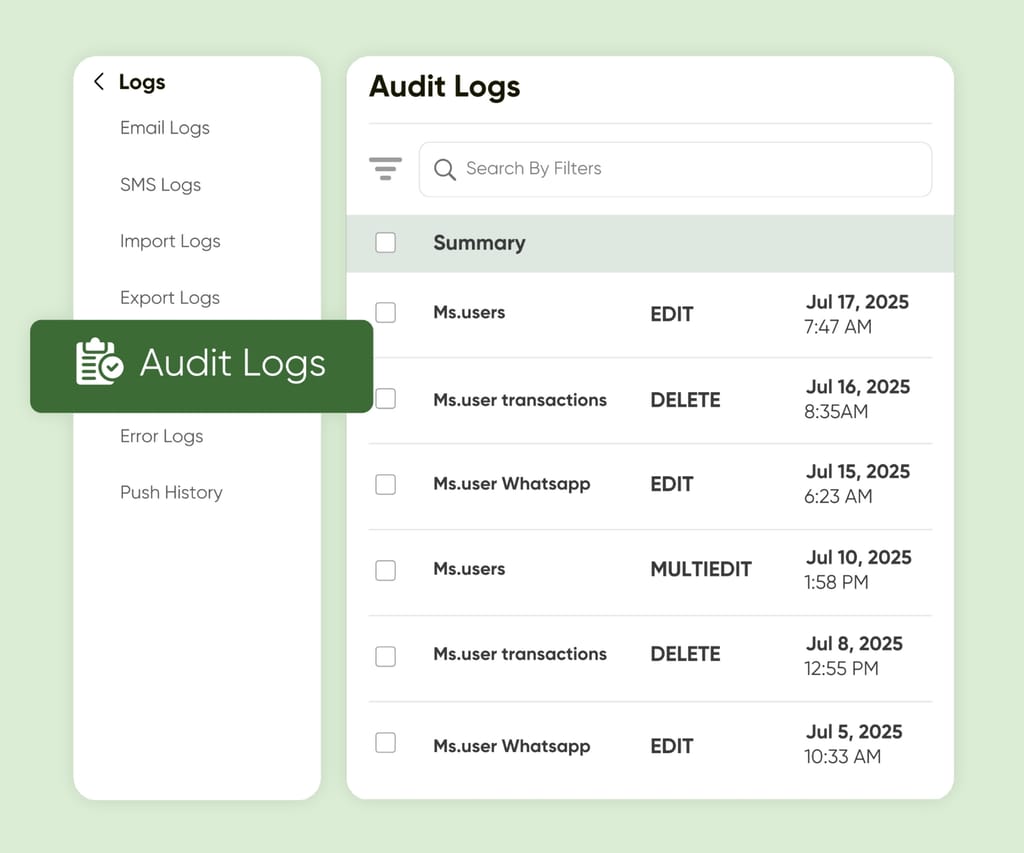
Assign granular access, track every action, and maintain full control with detailed audit trails and role-based visibility.
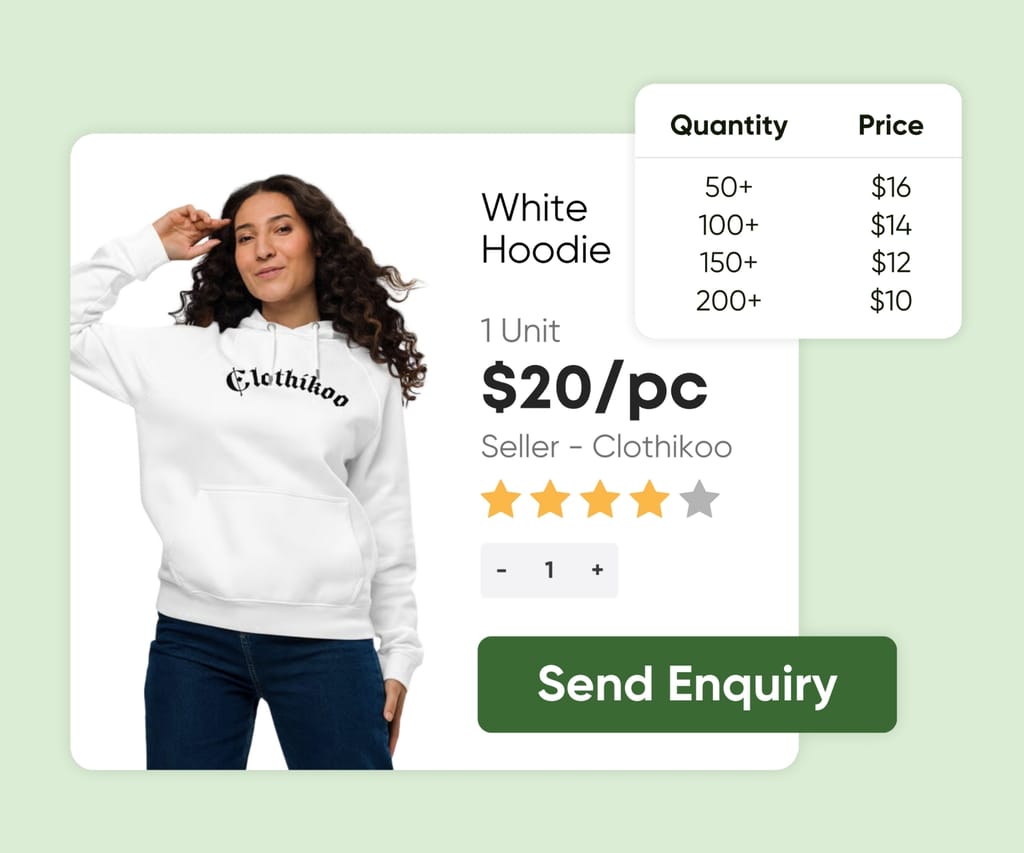
Enable buyers to request custom quotes or raise product inquiries directly from product pages, which are routed to the relevant vendors.
Deliver seamless, personalised buying journeys with multi-level personalisation tailored to your business
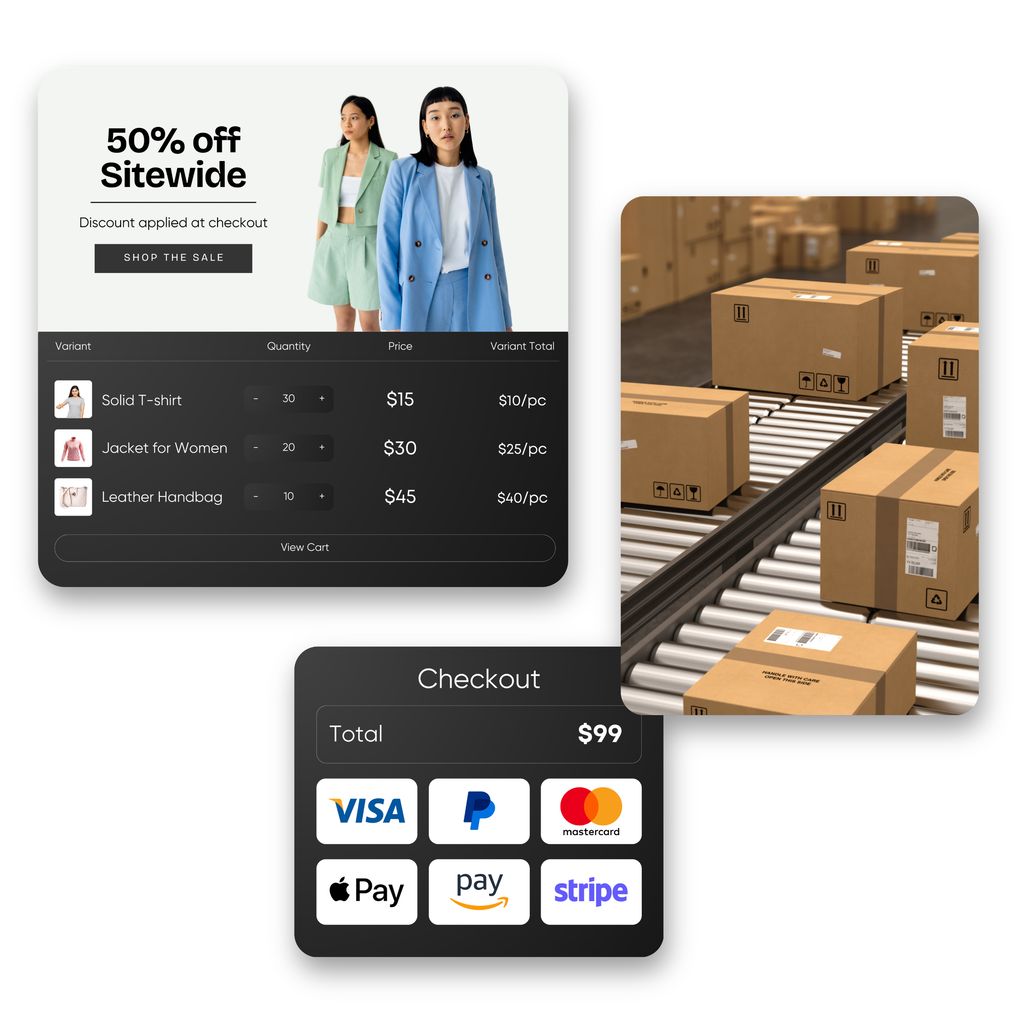
Deliver intelligent buyer journeys with AI-powered search, personalised recommendations, and tools that help your dealers convert more, faster.
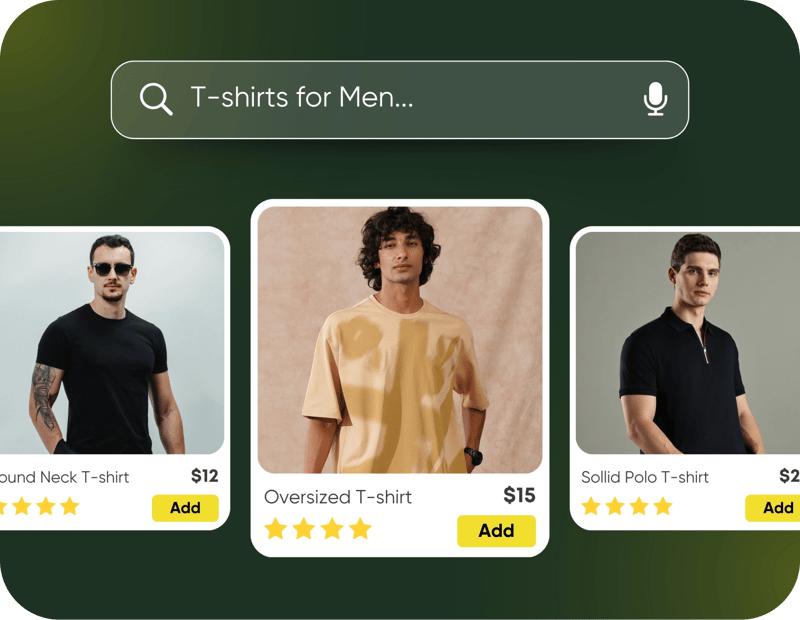
Help buyers find exactly what they need faster, smarter, and with better intent match
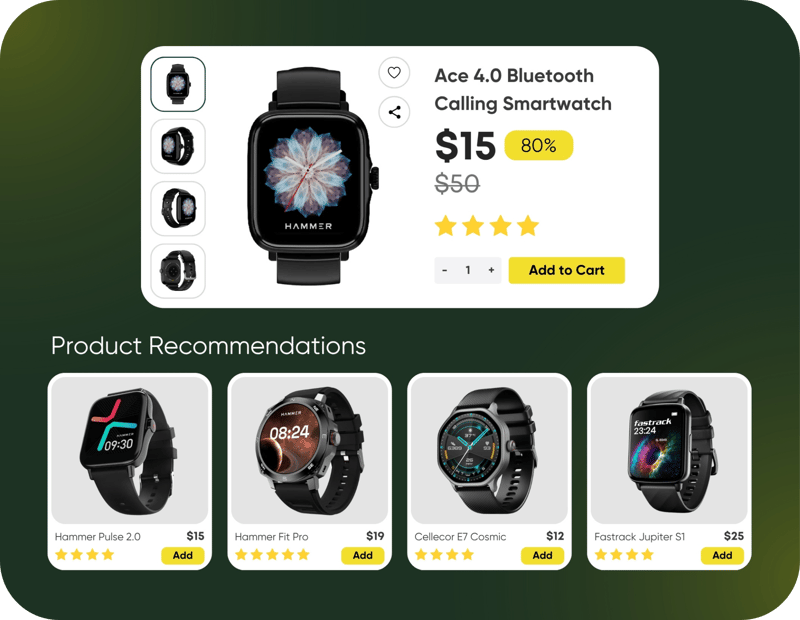
Deliver spot-on recommendations with AI-driven buyer insights
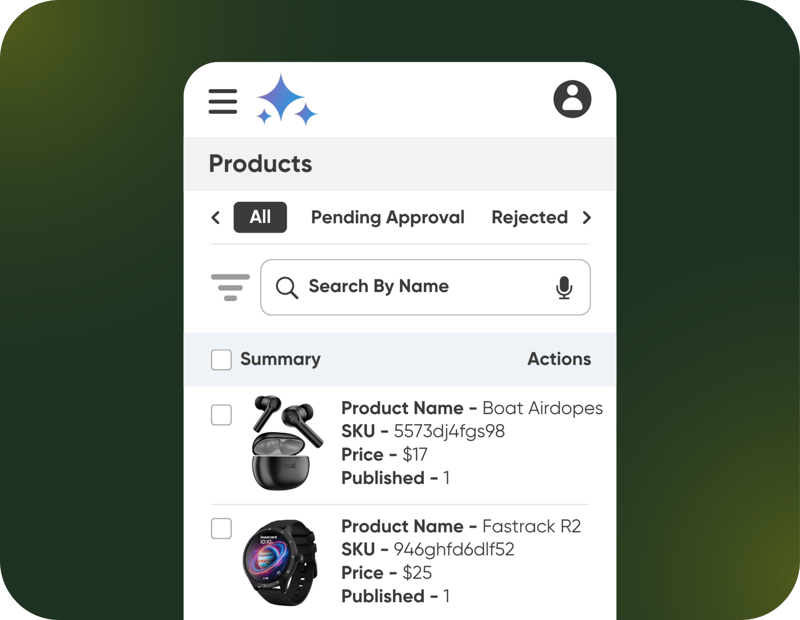
Create optimised AI product descriptions from images for bulk catalogs in no time
Automate and personalise offers to convert interest into orders and repeat business
From manufacturers and wholesalers to B2B marketplaces, StoreHippo adapts to every industry, model, and scale of operation.

Build a whitelabelled multi vendor wholesale marketplace to connect buyers and sellers at scale.

Empower your dealers and distributors to go digital with location-based storefronts that enable faster, hyperlocal selling.

Unify multiple online channels and offline wholesale operations with real-time inventory and order sync. .

Sell to business clients and end buyers from one platform with unique storefronts for each buyer group.

Take your wholesale business to global markets with built-in cross-border ecommerce capabilities.

Sell both products and services through diverse distributor and vendor networks on the same platform.
Powerful B2B Ecosystems, Built for Results
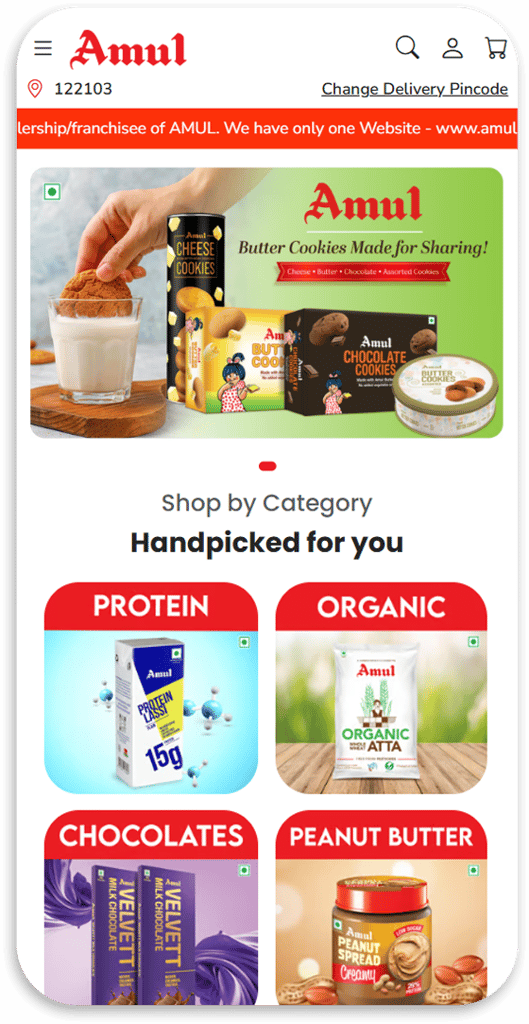

Unique offerings for multiple location-based sub stores
Tailor made enterprise customizations for unique brand requirements
Creating immersive buyer journeys with speed that fast tracks growth
Enabling to create a multi-channel (physical + digital touchpoints) brand presence
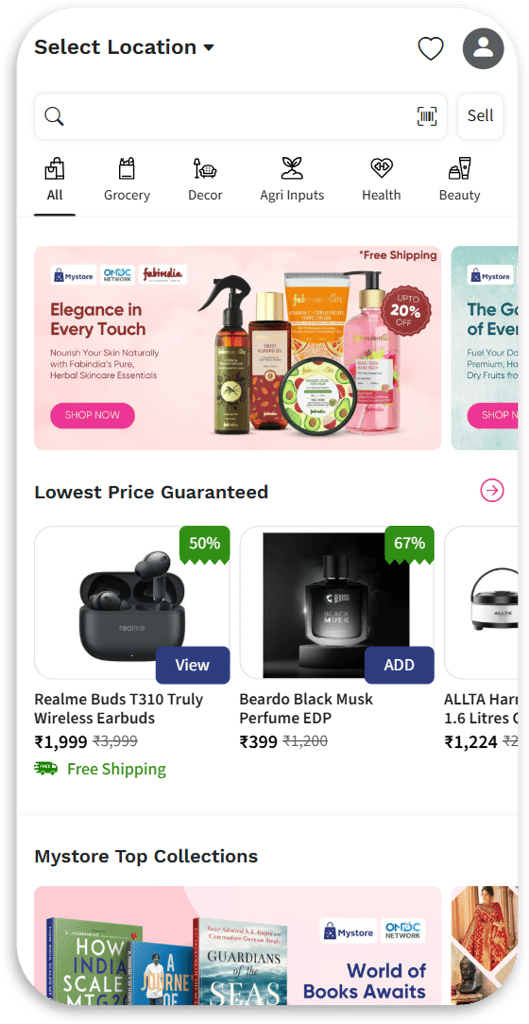

Built a marketplace with 9+ languages to onboard distributors across 9 states
Built 70+ seller substores managed by a central admin
3 different Android and iOS apps built using zero-coding, inbuilt mobile apps builder
Tailored solutions to meet the brand’s unique requirements


Technologically superlative, easy-to-use online selling solutions for MSMEs & enterprise brands selling via ONDC
Multilingual buyer side Interface to offer seamless, immersive & frictionless buying experience on ONDC
Advanced digital commerce solutions for D2C brands planning to leverage ONDC
Next-gen B2B2C solutions for enterprise looking for tailored solutions to grow through ONDC
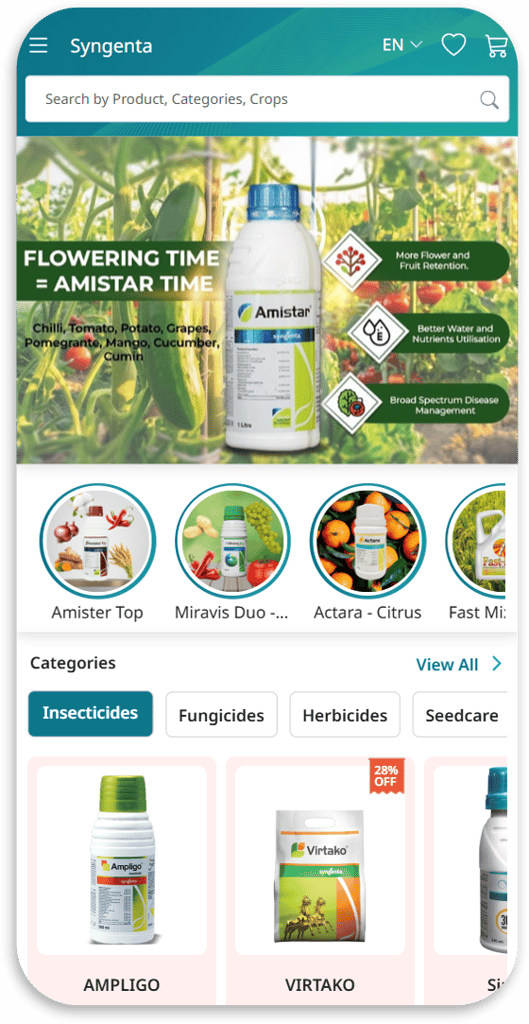

Managing and connecting diverse user groups (distributors, affiliates, dealers, and salespeople) as vendors
A unified solution to manage the brand’s offline and digital presence from a single dashboard
Android and iOS apps built using zero-coding, inbuilt mobile apps builder
Multiple frontends for different user groups, custom reports, custom flows, backend and frontend customizations
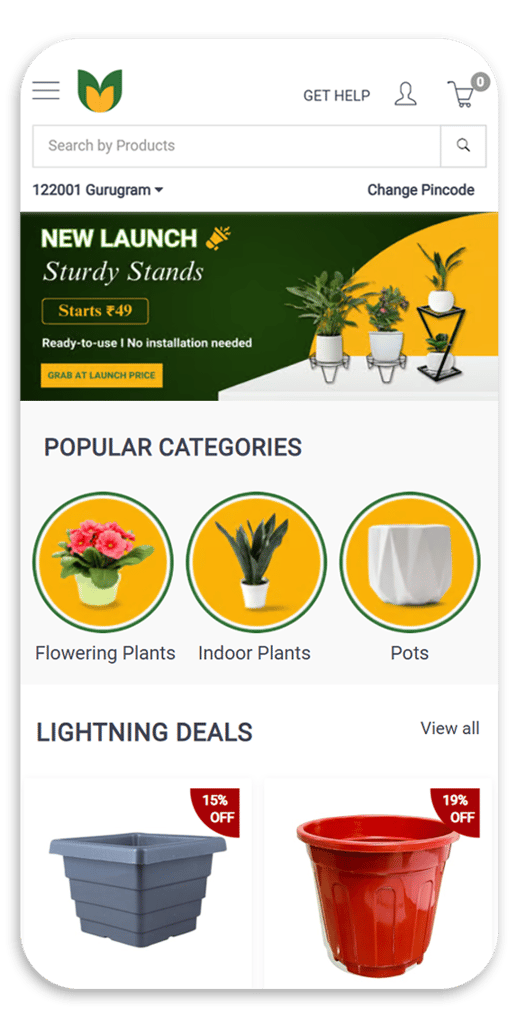

A novel hyperlocal marketplace that enables faster fulfilment through local vendors
Multi city sub-stores network with unique inventory, managed centrally
Multi level customisations in themes and backend flows
Hassle-free migration from Shopify for growth without limitations
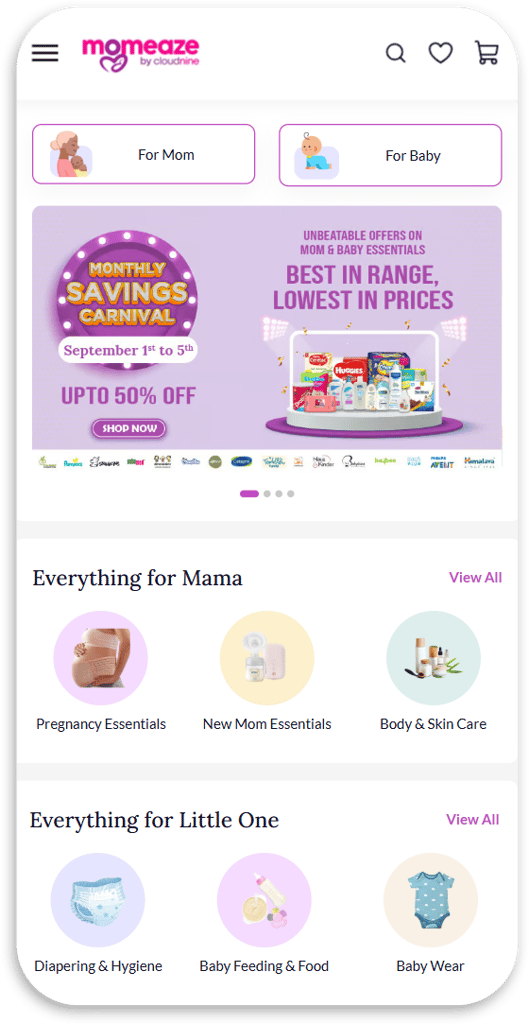

Managing and connecting offline and online vendors seamlessly from a centralized admin
Next-gen solutions to manage the phygital (physical+digital) brand presence from a single dashboard
Extensive customizations to build a tailored ecommerce solutions for the brand
Seamless integrations with the preferred software


Tailor-made multi vendor marketplace solutions helps manage offline and online vendors from a common admin
Multiple location-based sub stores with unique service offerings
Tailor made features, forms, design for unique brand requirements
Android and iOS apps to engage customers on the go

Get detailed answers for technical, operational, and business queries about B2B
You can easily build and launch a fully tailored B2B commerce experience for your brand on StoreHippo. StoreHippo B2B ecommerce platform offers API-first, plugin-free B2B ecommerce solutions built on MACH architecture and true headless framework. You can customise workflows, approvals, pricing logic, procurement journeys, and UI behaviour on your own domain, without being limited by plugins. Leveraging the headless set-up and the same backend logic you can create multiple frontends to create an omnichannel B2B brand presence. With a flexible and scalable core you can build your B2B commerce solutions exactly around how your business operates.
StoreHippo's wholesale platform lets you bulk upload large product catalogues on your B2B marketplace using CSV files, saving time and manual effort. To speed up cataloguing further, StoreHippo offers AI-powered cataloguing that can automatically generate product descriptions, categories, and attributes directly from product images. This helps enterprises onboard thousands of SKUs quickly while maintaining consistent and high-quality listings. StoreHippo also offers Magic Edit, an AI-powered photo editor to improve image quality.
Yes, StoreHippo allows you to create multiple country-specific storefronts with separate languages, currencies, taxes, and catalogues all managed from one admin. Each country-specific sub-store can have its own URL, design, integrations and other localisation features to make it user-friendly.
StoreHippo’s go-global features offer native localisation solutions without plugins. You can assign store-wise base currencies and regional pricing using the price override rules, create multilingual storefronts and offer multi-currency pricing on your B2B marketplace. It also includes a robust tax engine that adapts taxes by region or customer group, along with multi-currency invoicing. This ensures buyers see familiar language, accurate prices, and region-relevant taxes, while industry workflows, data, and compliance stay unified and enterprise-ready across all geographies.
StoreHippo B2B ecommerce platform offers built-in multi-currency and multilingual support to help B2B brands localise their storefronts for global buyers. You can configure region-specific currencies, languages, taxes, and payment gateways to deliver a personalised buying experience across geographies, without relying on third-party plugins.
Yes, StoreHippo supports a complete multi-country tax setup with automatic tax calculation. You can combine multiple taxes under a single rule, create cleaner invoices using tax groups, and apply tax rules based on country/state, product type, HSN/SAC codes, seller location, order amount, or buyer segment, making complex international taxation easy to automate.
StoreHippo’s B2B ecommerce solutions come with built-in pricing override feature that lets you offer different prices for the same product based on geography, customer groups, or any business rule. This helps B2B brands manage global and wholesale pricing without custom coding.
You can easily build and launch a fully tailored B2B commerce experience for your brand on StoreHippo. StoreHippo B2B ecommerce platform offers API-first, plugin-free B2B ecommerce solutions built on MACH architecture and true headless framework. You can customise workflows, approvals, pricing logic, procurement journeys, and UI behaviour on your own domain, without being limited by plugins. Leveraging the headless set-up and the same backend logic you can create multiple frontends to create an omnichannel B2B brand presence. With a flexible and scalable core you can build your B2B commerce solutions exactly around how your business operates.
StoreHippo's wholesale platform lets you bulk upload large product catalogues on your B2B marketplace using CSV files, saving time and manual effort. To speed up cataloguing further, StoreHippo offers AI-powered cataloguing that can automatically generate product descriptions, categories, and attributes directly from product images. This helps enterprises onboard thousands of SKUs quickly while maintaining consistent and high-quality listings. StoreHippo also offers Magic Edit, an AI-powered photo editor to improve image quality.
Yes, StoreHippo allows you to create multiple country-specific storefronts with separate languages, currencies, taxes, and catalogues all managed from one admin. Each country-specific sub-store can have its own URL, design, integrations and other localisation features to make it user-friendly.
StoreHippo’s go-global features offer native localisation solutions without plugins. You can assign store-wise base currencies and regional pricing using the price override rules, create multilingual storefronts and offer multi-currency pricing on your B2B marketplace. It also includes a robust tax engine that adapts taxes by region or customer group, along with multi-currency invoicing. This ensures buyers see familiar language, accurate prices, and region-relevant taxes, while industry workflows, data, and compliance stay unified and enterprise-ready across all geographies.
StoreHippo B2B ecommerce platform offers built-in multi-currency and multilingual support to help B2B brands localise their storefronts for global buyers. You can configure region-specific currencies, languages, taxes, and payment gateways to deliver a personalised buying experience across geographies, without relying on third-party plugins.
Yes, StoreHippo supports a complete multi-country tax setup with automatic tax calculation. You can combine multiple taxes under a single rule, create cleaner invoices using tax groups, and apply tax rules based on country/state, product type, HSN/SAC codes, seller location, order amount, or buyer segment, making complex international taxation easy to automate.
StoreHippo’s B2B ecommerce solutions come with built-in pricing override feature that lets you offer different prices for the same product based on geography, customer groups, or any business rule. This helps B2B brands manage global and wholesale pricing without custom coding.
Build and scale hyperlocal stores, global marketplaces, and brand chains effortlessly with StoreHippo